The Rise of Sustainable Startups in Australia
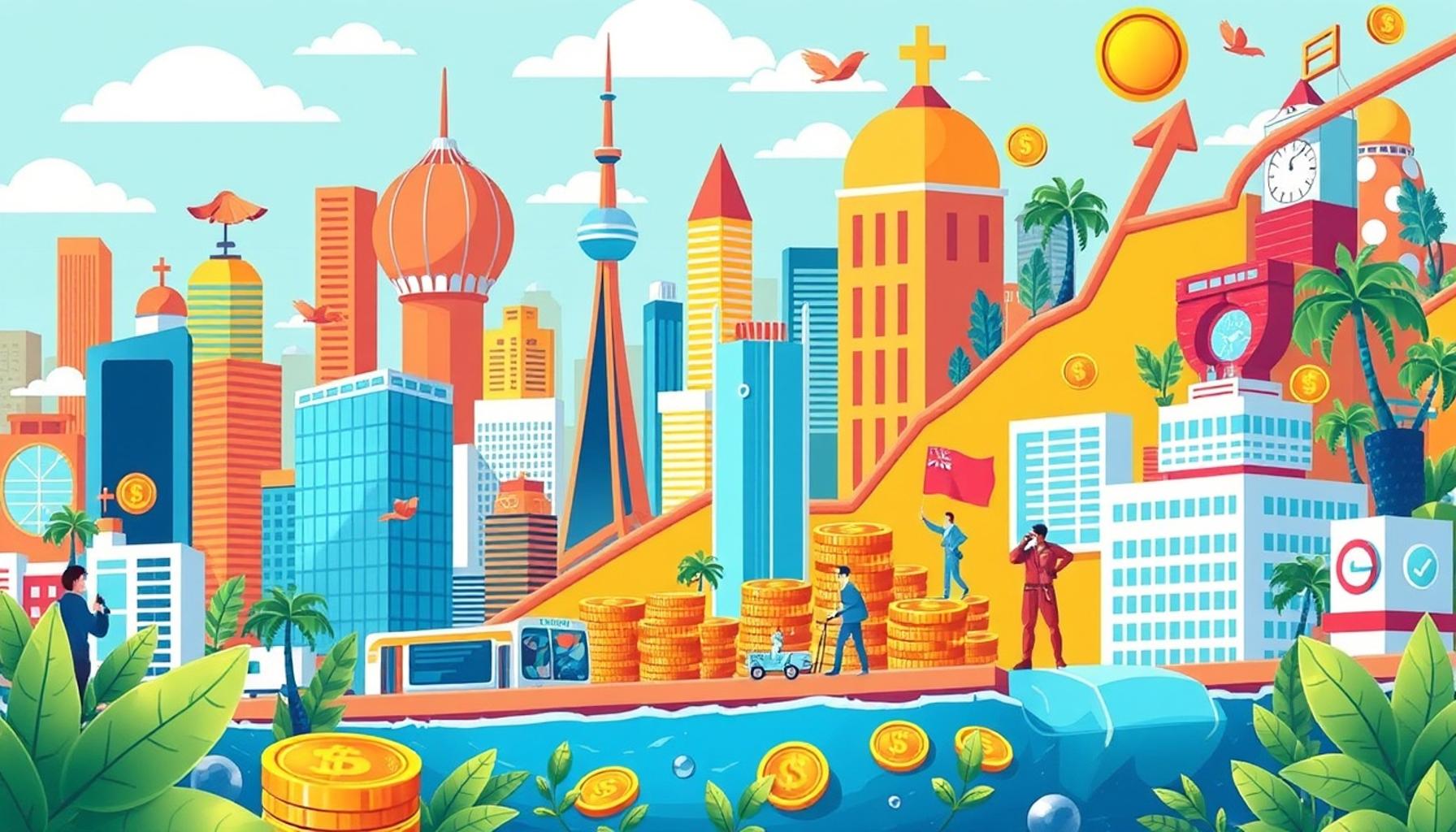
Understanding the Rise of Sustainable Startups in Australia
Sustainable startups in Australia are emerging as a powerful force in the business ecosystem, representing a convergence of economic opportunity and eco-friendly innovation. These businesses are pioneering a path that aligns profit with positive environmental impact, challenging the traditional notion that profitability must come at the expense of the planet. This shift is not just a fleeting trend but rather a profound transformation driven by multiple factors.
Factors Contributing to Growth
Increasing consumer awareness is one of the most significant drivers of this remarkable growth. Australians are becoming more informed about global environmental issues such as climate change, pollution, and the importance of biodiversity. Consumers are increasingly demanding transparency and are inclined to support brands that prioritize sustainability. For instance, according to recent surveys, a majority of Australians prefer to purchase products from companies that demonstrate a commitment to environmental stewardship.
An essential factor bolstering this movement is government support. Various federal and state initiatives are fostering an environment ripe for innovation. Funding programs and grants aimed at green projects encourage budding entrepreneurs to explore sustainable business models. The Australian Government’s Clean Energy Innovation Fund, for instance, invests in new technologies that minimize carbon emissions and promote renewable energy sources, making it easier for startups to acquire the necessary financial backing to launch their operations.
Technological advancements also play a crucial role in fueling this growth. Breakthroughs in areas such as energy storage, biodegradable materials, and efficient farming practices enable startups to develop innovative solutions to environmental challenges. This synergy between technology and sustainability paves the way for businesses that can operate efficiently while minimizing their ecological footprint.
Diverse Industries Embracing Sustainability
The spectrum of industries engaged in sustainable practices is extensive. In the Energy & Resources sector, startups are emerging that harness solar energy and explore sustainable materials like hemp and bamboo for construction. Companies like GreenSync are not only providing energy-efficient solutions but also promoting a virtual power plant model that enables users to harness renewable energy collectively.
In Agriculture, businesses are focusing on sustainable practices such as organic farming and advanced irrigation techniques to conserve water. Companies like AgriWebb are developing software solutions that assist farmers in managing their resources more effectively while reducing waste and promoting eco-friendly practices.
The Transport sector is also witnessing a wave of innovation, with startups developing electric vehicles (EVs) and exploring eco-friendly logistics solutions. Companies such as Jolt are providing rapid charging infrastructure for EVs, further promoting the shift towards cleaner transportation options.
The Impact of Sustainable Startups
As these companies flourish, they not only contribute to economic growth but also serve as models for rethinking traditional business paradigms. Their success stories can inspire both new entrepreneurs and established businesses to reconsider how they can integrate sustainability into their operations. In this way, the landscape of entrepreneurship in Australia is evolving, opening doors to a more sustainable and environmentally conscious future.
Ultimately, the rise of sustainable startups signals a broader commitment to addressing environmental challenges, ensuring that commerce and ecological stewardship can indeed go hand in hand. As more Australians recognize the importance of such initiatives, the shift towards a sustainable economy is likely to accelerate, creating a vibrant ecosystem that supports both innovation and the planet.
SEE ALSO: Click here to read another article
Driving Forces Behind Sustainable Entrepreneurship
As Australia witnesses an influx of sustainable startups, it is crucial to delve deeper into the driving forces that empower this significant change in the entrepreneurial landscape. One of the primary forces is the growing shift in consumer behaviour. With sustainability issues prominently featured in global discussions, many Australians are making conscious decisions about their purchasing habits. This emerging cohort of eco-conscious consumers tends to favour businesses that align their operations with environmentally friendly practices. For example, brands that use recycled materials or implement minimised packaging often see a surge in customer loyalty, which translates into increased sales and market share.
Beyond consumer awareness, the role of innovation in technology cannot be overlooked. Modern technologies are enhancing the feasibility of sustainable practices across various sectors. Consider the advancements in energy efficiency technologies, such as smart grids and mobile applications that track energy consumption. These innovations empower both businesses and consumers to make informed choices, reducing energy costs and carbon footprints. Moreover, developments in bioplastics and sustainable farming techniques are facilitating startups to think creatively about resource management, further propelling eco-entrepreneurship.
The intersection of policy frameworks and sustainable startups also plays a critical role in fostering this growth. The Australian Government, along with state governments, has implemented a range of policies aimed at promoting a greener economy. Financial incentives such as grants and tax breaks for startups focused on renewable energy, waste reduction, and sustainable practices create an environment of encouragement. This institutional backing equips entrepreneurs with the necessary resources, allowing them to bring their innovative ideas to fruition.
Key Industry Trends in Sustainable Startups
Several trends are emerging across industries, showcasing how startups are successfully integrating sustainability into their core operations. The following sectors are particularly noteworthy:
- Food and Beverage: Companies are prioritising locally sourced ingredients, reducing carbon footprints associated with transportation. For example, several distilleries and breweries in Australia focus on sustainable practices by minimising water usage and employing eco-friendly production methods.
- Fashion: Brands are adopting a circular economy model, where products are designed to be recycled or repurposed. Companies such as Outland Denim are leading the way, creating ethically made clothing that supports the environment.
- Technology: There is a rising trend of tech companies providing software solutions that enable businesses to track sustainability metrics, promoting accountability and best practices.
By understanding these trends, it becomes evident that the rise of sustainable startups is not merely a passing fad but a paradigm shift embracing a more responsible approach to entrepreneurship. As these startups continue to flourish, they are setting examples for a new generation of business leaders who are equally passionate about addressing the pressing challenges of our time. The enthusiasm surrounding these initiatives boosts the momentum for a sustainable future, further solidifying Australia’s place as a pioneer in eco-friendly entrepreneurship.
SEE ALSO: Click here to read another article
Challenges and Opportunities in Sustainable Startups
While the rise of sustainable startups in Australia is encouraging, it is essential to recognise the challenges these businesses face. One of the most significant hurdles is the access to funding. Although there are government grants and incentives available, many sustainable startups still struggle to secure venture capital, particularly in the early stages of business development. Investors can be hesitant to back ventures that prioritise sustainability over immediate profitability. However, there is an emerging trend of impact investing, where funds are directed towards projects that yield positive social or environmental outcomes alongside financial returns. This shift creates opportunities for startups to present their business cases to a more accepting audience eager to support sustainable innovation.
Another challenge lies in the market competition. Traditional businesses, often backed by larger financial resources, can undercut prices to attract customers. Sustainable startups may need to adopt different strategies to compete effectively. For instance, educating consumers about the long-term benefits of investing in sustainable products can help position these businesses as valuable alternatives. Startups can also leverage storytelling, effectively conveying the positive impact of their practices on the environment and local communities to instill a sense of brand loyalty among consumers.
The Role of Collaboration and Community
Collaboration is becoming increasingly vital in the sustainable startup ecosystem. Many startups are joining forces with other businesses, NGOs, and research institutions to amplify their impact. For example, initiatives like Social Traders connect socially responsible businesses with investors looking to make a difference. By working together, these organisations can share resources, knowledge, and networks, thereby enhancing their capacity to innovate and create solutions that drive sustainability.
Additionally, local communities play a crucial role in the success of sustainable startups. Many Australians are drawn to businesses that prioritise community engagement and support. Startups often establish partnerships with local suppliers and organisations, reinforcing the importance of regional economies while promoting ethical practices. For instance, a startup focused on sustainable food products may collaborate with local farmers, ensuring high-quality, organic ingredients while supporting the local economy and reducing transportation emissions.
Future Predictions for Sustainable Startups
The future looks promising for sustainable startups in Australia as societal expectations continue to evolve towards greater accountability and transparency. According to recent market research, a growing number of consumers are willing to pay a premium for products driven by sustainable practices. This shift indicates an increasing recognition of the importance of sustainability in consumer choices, leading to more substantial demand for eco-friendly products and services.
Moreover, as more sustainable startups emerge, we can expect the launch of innovative business models that further challenge existing paradigms. Opportunities for subscription-based services or community-shared initiatives may arise, allowing consumers to engage with sustainable brands more deeply. For example, companies offering meal kits that utilise local, seasonal ingredients can reduce waste and empower customers with sustainable cooking options, cultivating a new market segment that prioritises health and environmental awareness.
In conclusion, while challenges persist, the sustainable startup movement in Australia is poised for future growth. By leveraging collaboration, embracing community support, and adapting to changing consumer demands, these entrepreneurs are not only addressing pressing environmental issues but also paving the way for a more sustainable future.
SEE ALSO: Click here to read another article
Conclusion
In summary, the rise of sustainable startups in Australia represents a transformative shift in the business landscape, reflecting a broader commitment to environmental stewardship and social responsibility. These innovative enterprises, while facing challenges like funding accessibility and market competition, are actively championing new models that prioritize sustainability alongside profitability. The increasing willingness of consumers to invest in ethically produced goods underscores a growing demand for sustainable practices, creating a fertile ground for these startups to flourish.
Furthermore, the collaborative spirit among startups, local communities, and investors is critical in driving this movement forward. By pooling resources and expertise, these organizations can amplify their impact, transforming sustainability from a niche concern into a mainstream expectation. The trend towards impact investing highlights how financial backing is increasingly aligned with positive social and environmental outcomes, presenting an exciting opportunity for startups to thrive in this ecosystem.
As we look ahead, it is clear that Australian sustainable startups are not just businesses; they are catalysts for change. They are charting new pathways for economic growth that respects our planet and its communities. By continuing to innovate, engaging consumers, and fostering partnerships, these entrepreneurs are paving the way for a promising future, where sustainability is at the heart of our economy. Together, they are defining what it means to be a responsible business in the 21st century.

Linda Carter
Linda Carter is a writer and expert known for producing clear, engaging, and easy-to-understand content. With solid experience guiding people in achieving their goals, she shares valuable insights and practical guidance. Her mission is to support readers in making informed choices and achieving significant progress.