Impact of Climate Change on the Australian Economy: Opportunities and Challenges for Business
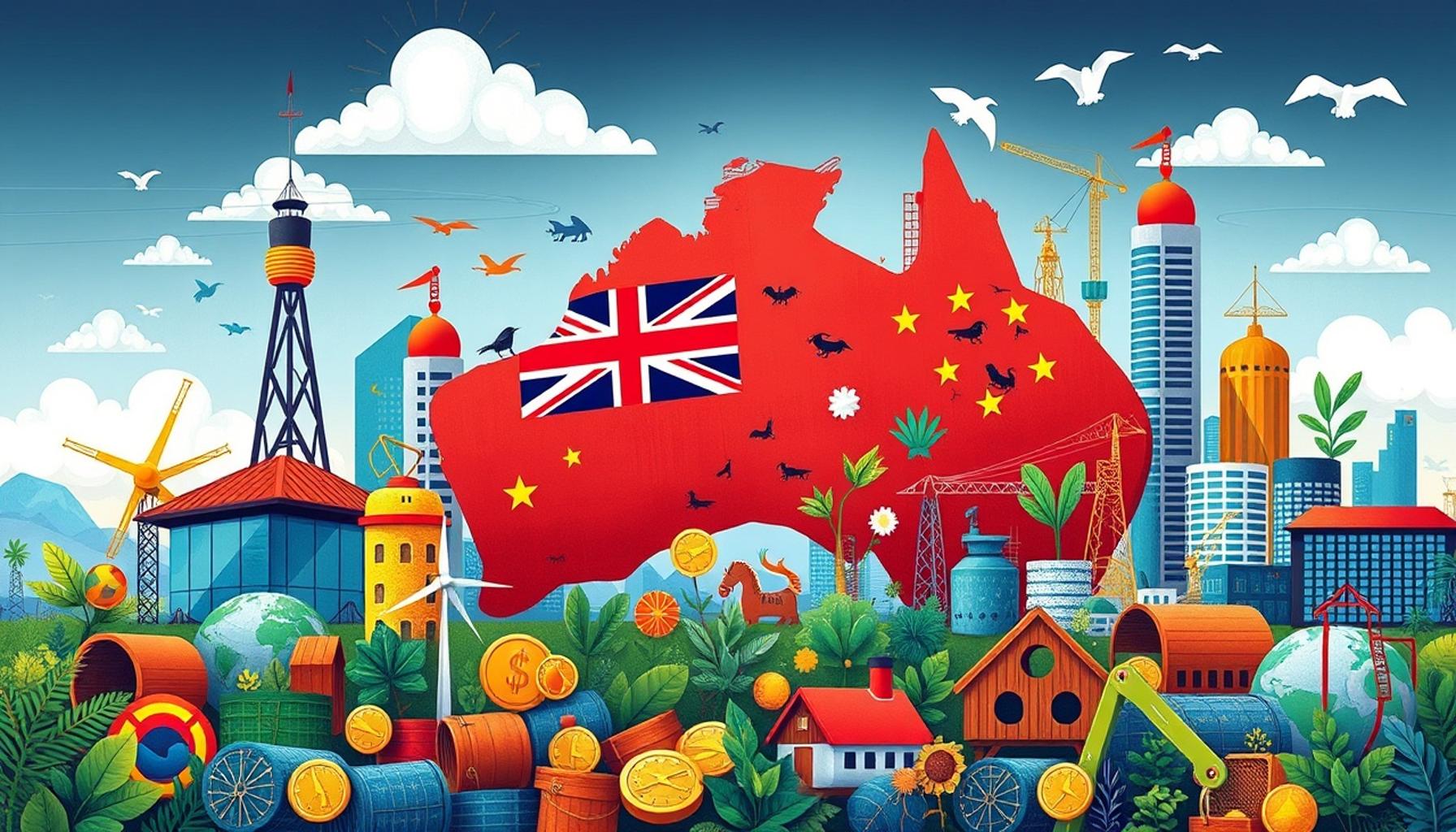
Impact of Climate Change on Australian Businesses
Australia is currently witnessing substantial transformations driven by climate change, which are influencing various facets of life and the economy. With the ongoing shifts in climate, businesses must be prepared to address both considerable challenges and viable opportunities.
Key Challenges Affecting the Economy
One of the most pressing issues is the increased frequency of extreme weather events. These events, such as severe droughts, catastrophic bushfires, and intense flooding, not only disrupt daily life but also have a profound impact on supply chains and infrastructure. For instance, the bushfires in 2019-2020 resulted in the destruction of vast areas of farmland, which led to immediate food shortages and heightened prices. Many businesses, notably in the agriculture and tourism sectors, faced significant operational interruptions due to these natural disasters.
Another critical factor is the shifts in resource availability. Water scarcity is becoming increasingly prevalent, especially in regions like the Murray-Darling Basin, where farmers are facing restrictions on water usage. This scarcity directly affects agricultural productivity, with staple crops experiencing yield declines. Sectors that heavily rely on natural resources, such as fishing and viticulture, may find it increasingly difficult to sustain their operations, necessitating new strategies and methods for resource management.
Additionally, regulatory changes are transforming the business landscape. With growing concerns over carbon emissions, the Australian government is implementing new regulations and sustainability initiatives aimed at reducing environmental footprints. Companies are being required to enhance their practices, which could involve transitioning to renewable energy sources or adopting more efficient waste management systems.
Opportunities for Innovation and Growth
Despite these challenges, climate change opens up numerous avenues for innovation. For example, businesses can explore emerging green technologies. Investments in renewable energy solutions, such as solar and wind, not only contribute to reducing emissions but also drive the creation of new markets. Australia is already a leader in solar energy adoption, and innovative businesses can capitalize on this momentum to develop new products and services.
The consumer demand for sustainability is another important opportunity. Australian consumers are becoming more environmentally conscious, with many actively seeking out brands that prioritize eco-friendly practices. Companies that adopt sustainable methods often find that this commitment enhances brand loyalty and attracts a customer base willing to pay a premium for responsible products.
Furthermore, the government is providing incentives to promote sustainability. Programs offering financial assistance and support for businesses that invest in sustainable initiatives can significantly alleviate the costs associated with such transitions. For instance, grants for solar panel installation or subsidies for electric vehicle fleets can provide much-needed financial boosts, fostering a greener economy.
In conclusion, it is vital for Australian businesses to understand these dynamics as they navigate an evolving economic landscape influenced by climate change. The intersection of climate concerns with business strategy will undoubtedly shape the future of various industries across Australia, emphasizing the need for adaptability and forward-thinking approaches.
SEE ALSO: Click here to read another article
Challenges and Implications for Australian Businesses
The impact of climate change is felt deeply across various sectors, creating a unique set of challenges that Australian businesses must confront. One of the foremost challenges is the increased frequency and intensity of natural disasters. Severe weather events not only disrupt daily operations but can also lead to devastating financial repercussions. For example, the 2020 bushfires claimed lives, threatened wildlife, and caused significant damage to infrastructure. Businesses in sectors such as agriculture were particularly hard hit, with many farmers losing entire crops, leading to reduced supply and increased prices for consumers.
Another challenge relates to shifts in consumer behavior. As awareness around climate change rises, consumers are increasingly prioritizing sustainable practices when making purchasing decisions. Businesses that fail to adapt may find themselves at a competitive disadvantage. For instance, local businesses that continue to rely on non-sustainable resources may face backlash from consumers opting for greener alternatives. This shift can fundamentally alter market dynamics, requiring businesses to rethink their strategies and investments.
Furthermore, climate change brings about resource scarcity. Water availability has become a pressing concern in regions like the Murray-Darling Basin, where water allocation for agricultural purposes is being tightly regulated. Farmers are increasingly placed under stress as they compete for limited resources, leading to lower yields and, in some cases, bankruptcies. The fishing industry is facing similar challenges, as changing ocean temperatures and acidity levels impact fish populations, further complicating supply chains.
The regulatory environment is also evolving in response to climate change. Businesses now grapple with changing regulations aimed at reducing carbon emissions and promoting sustainability. Companies are encouraged to innovate by upgrading technologies to minimize their environmental impact. This trend has led to a growing demand for compliance and reporting practices. For example, businesses may need to invest in carbon offset programs or utilize renewable energy sources, all of which can require significant upfront costs.
Key Challenges for Different Sectors
- Agriculture: Vulnerable to drought and unpredictable weather conditions affecting crop yields and livestock.
- Tourism: Susceptible to environmental changes that can detract from natural attractions, such as reef bleaching.
- Insurance: Facing increased claims and risks associated with property damage from extreme weather, leading to higher premiums.
- Retail: Challenges in supply chain management as disasters disrupt stock flows and increase costs.
As daunting as these challenges may appear, they can also serve as catalysts for innovation and adaptation. Businesses that proactively address these issues not only contribute positively to the environment but may also enhance their competitive edge. The key lies in understanding the interconnectedness of these challenges and responding with agility and foresight.
CHECK OUT: Click here to explore more
Opportunities Amidst the Climate Crisis
While climate change presents numerous challenges for Australian businesses, it also opens doors to new opportunities that can drive growth and innovation. One key area is the transition towards renewable energy. As Australia has vast natural resources, including solar and wind potential, businesses that invest in sustainable energy solutions stand to benefit significantly. For instance, companies engaged in solar panel manufacturing or installation are witnessing a surge in demand as both residential and commercial sectors pivot towards green energy to cut down on costs and carbon footprints.
The rise of the green economy has also given birth to significant job opportunities. Transitioning sectors, such as clean technology, require a workforce skilled in new technologies. This means that businesses focusing on developing talent through training programs will not only enhance their workforce but will also contribute to a more sustainable economy. For example, the development of green skills in areas like energy efficiency construction encourages a workforce equipped to meet emerging market needs.
Moreover, the need for businesses to integrate sustainable practices into their operations can lead to enhanced brand loyalty and customer engagement. By showcasing their commitment to environmental stewardship, companies can attract consumers who prioritize sustainability. Brands like Patagonia are prime examples; their dedication to environmental issues has built a loyal customer base that often prefers to buy from those committed to making a positive impact on the planet.
It’s also worth noting the potential for businesses to expand into carbon trading markets. With increased regulatory demands around emissions reductions, companies are seeking ways to offset their carbon footprints. The Australian government, alongside various state-level initiatives, is fostering a carbon trading market that allows businesses to buy and sell carbon credits. This not only encourages companies to reduce emissions but also opens a new revenue stream for those who can lower their carbon output.
Adaptation Strategies for a Changing Climate
- Investment in Climate-Resilient Infrastructure: Businesses are increasingly recognizing the need to invest in infrastructure that can withstand extreme weather conditions. For instance, adapting building designs to incorporate flood-resistant materials is becoming essential for growth in flood-prone areas.
- Innovative Product Development: Companies are developing new products specifically designed to meet the needs of a changing climate, such as drought-resistant crops in agriculture or energy-efficient appliances in manufacturing.
- Partnerships for Sustainability: Collaborating with other businesses, government agencies, and non-profits to share resources and expertise fosters knowledge exchange and strengthens operational sustainability.
- Consumer Education Initiatives: By leading initiatives that inform consumers about sustainability, businesses can cultivate a market that is more conscious of their choices and more supportive of sustainable products and services.
In summary, while there are significant hurdles that businesses need to navigate in the face of climate change, there are equally promising opportunities to capitalize on. By embracing sustainability, not only do companies position themselves as leaders in their respective sectors, but they also contribute meaningfully to Australia’s response to climate change. Understanding these evolving dynamics will be pivotal for Australian businesses aiming to thrive in an increasingly challenging environmental landscape.
CHECK OUT: Click here to explore more
Final Thoughts on Climate Change and Business in Australia
As we navigate the complexities of climate change, it is clear that the impacts on the Australian economy are profound and multifaceted. Businesses across the country face notable challenges, including increased operational costs, supply chain disruptions, and heightened regulatory scrutiny. However, with every challenge comes the potential for innovation and growth. By proactively adopting sustainable practices, businesses not only shield themselves from risks but also position themselves to seize emerging opportunities in the green economy.
Investing in renewable energy and climate-resilient infrastructure, fostering talent in sustainable technologies, and engaging in carbon trading are just a few avenues that can transform potential threats into pathways for success. Furthermore, as consumers increasingly prioritize sustainability, companies that demonstrate a commitment to environmental responsibility can enhance their brand loyalty and secure a competitive edge.
Ultimately, the response to climate change will require collaboration among businesses, government, and communities. By embracing a mindset of adaptation and innovation, Australian businesses can not only mitigate their environmental impact but also contribute positively to the broader economic landscape. As the climate crisis unfolds, it will be crucial for all stakeholders to align their goals with sustainability at the forefront, ensuring a resilient and prosperous future for Australia.

Linda Carter
Linda Carter is a writer and expert known for producing clear, engaging, and easy-to-understand content. With solid experience guiding people in achieving their goals, she shares valuable insights and practical guidance. Her mission is to support readers in making informed choices and achieving significant progress.