The Evolution of Virtual Events with Interactive Streaming Technologies and Digital Networking
The Transformation of Events
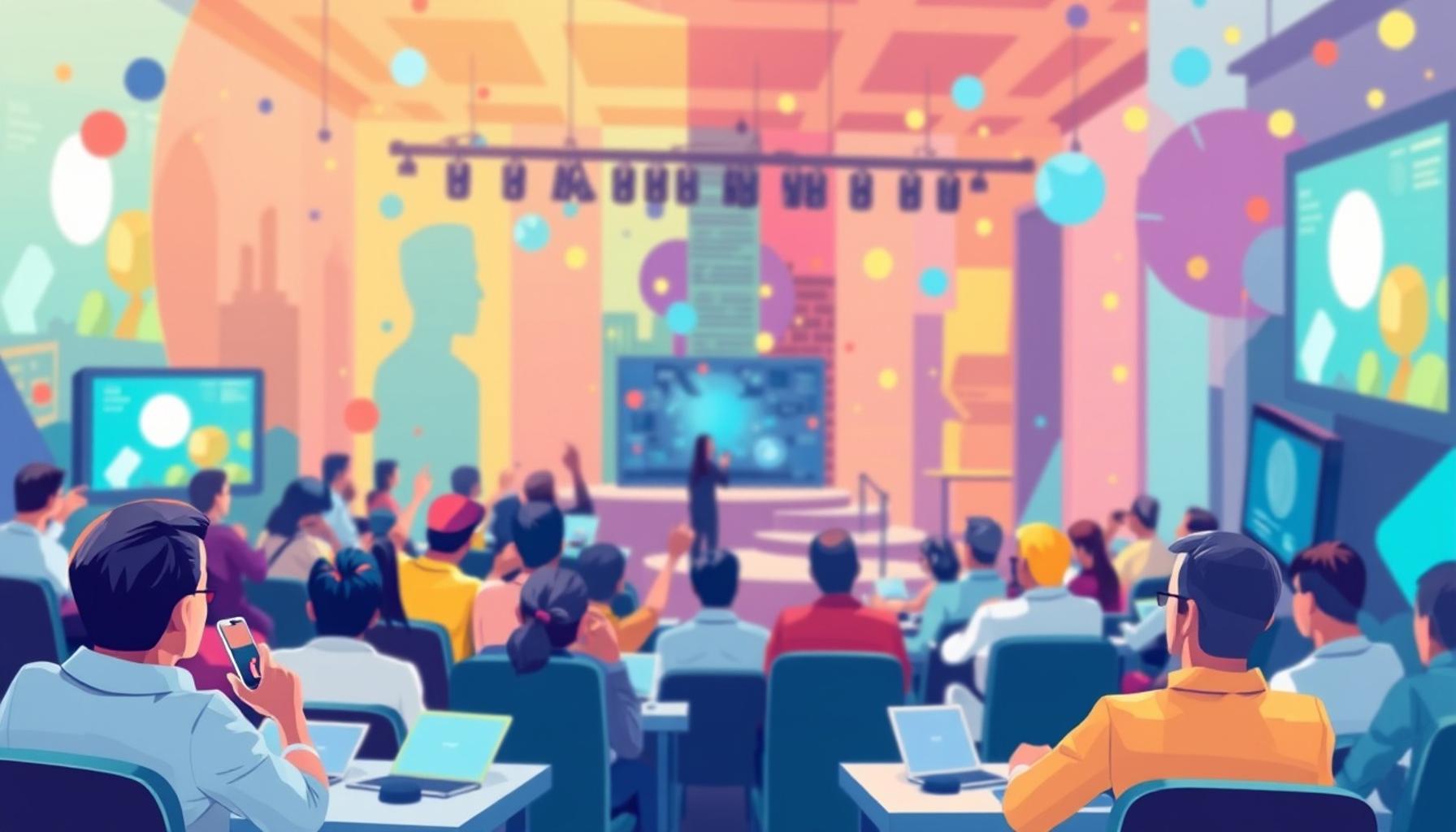
The landscape of events has undergone a dramatic transformation in recent years. With the rise of interactive streaming technologies and the need for virtual engagement, traditional events have evolved to meet the demands of a digital-first world. Organizations that once relied on in-person gatherings have had to pivot to virtual formats for everything from conferences to trade shows, adapting to the changing environment.
Today, virtual events are more than just video calls. They incorporate a variety of elements that enhance participation, including:
- Live Streaming: High-quality broadcasts that bring audiences into the experience. This technology allows participants to watch presentations and panels in real-time, mimicking the experience of being there in person. For example, a tech conference might stream keynote speeches from industry leaders to thousands of viewers across the globe.
- Interactive Features: Tools like polls, Q&As, and breakout sessions that encourage audience interaction. These features make it possible for attendees to engage directly with speakers, providing a more immersive experience. For instance, during a webinar, facilitators can use polls to gauge audience opinions on relevant topics, instantly drawing insights and making participants feel involved.
- Digital Networking: Platforms that facilitate connections among attendees, mimicking the networking opportunities of in-person events. Participants can connect through virtual meet-and-greets and chat rooms. An example is LinkedIn’s virtual events, where attendees can network in designated spaces, fostering connections that might lead to collaborations or job opportunities.
The shift to virtual formats has been accelerated by global circumstances, particularly the COVID-19 pandemic, pushing organizations to adapt quickly. This evolution not only provides convenience but also offers innovative ways to engage with a broader audience, making events more accessible than ever. Small businesses, for instance, can reach potential clients across state lines without the costs associated with travel and accommodation.
In this article, we will explore how these changes occurred, the technologies that made them possible, and the future of virtual events in the United States and beyond. We will also look at emerging trends like hybrid events, where in-person and virtual audiences coexist, creating a richer experience. Join us as we delve into the exciting world of interactive digital networking and its profound impact on the event industry.
DISCOVER MORE: Click here to learn about different types of investments
The Power of Streaming Technology
The backbone of modern virtual events lies in streaming technology, which has significantly evolved from basic webcam feeds to highly sophisticated broadcast systems. This technology allows for seamless delivery of content over the internet, ensuring that high-definition video and audio are accessible to thousands—if not millions—of participants around the globe. One of the most notable advancements in this area is the integration of 4K video streaming, which enhances the viewing experience, allowing attendees to see intricate details during presentations and discussions.
With the rise of platforms like Zoom, Microsoft Teams, and Webex, organizations can host webinars and virtual conferences without the logistical challenges associated with traditional venues. These platforms not only support video but also offer features like screen sharing and digital whiteboards, which facilitate collaboration and idea sharing during presentations.
However, streaming alone doesn’t create a successful virtual event. Engagement is key, and that’s where interactive features come into play. Elements such as live polls, Q&A sessions, and breakout rooms help to capture and maintain audience attention. For example, during a virtual workshop on marketing strategies, participants can be prompted to answer polls in real-time. Once the results are collected, facilitators can immediately address the audience’s viewpoints, making them feel involved and valued. This level of interactivity mirrors the face-to-face discussions that often define in-person events.
- Live Polls: These encourage participants to share their opinions instantly, enriching the overall discussion and allowing speakers to adjust their content based on audience interests.
- Q&A Sessions: Attendees can submit questions directly to speakers, creating an open dialogue that was traditionally experienced only in physical settings. This not only empowers participants but also fosters a sense of community.
- Breakout Rooms: These smaller group discussions allow for deeper conversations among attendees, enabling them to share insights and network in a more intimate setting, akin to hallway chats at physical conferences.
The technical sophistication of these tools has allowed businesses of all sizes to engage their audiences effectively. In fact, according to industry reports, companies that leverage these interactive features during their virtual events see increased participant engagement rates by over 40%. This statistic underscores the importance of adopting a holistic approach to virtual event planning, ensuring that both streaming quality and interactive capabilities are prioritized.
As we continue our exploration of the evolution of virtual events, it’s essential to recognize how digital networking complements these advancements. The challenges of connecting in a virtual space prompted the creation of innovative networking solutions that help attendees forge meaningful connections, even from miles apart. Stay tuned as we dive deeper into how these digital networking platforms are reshaping the event landscape.
DISCOVER MORE: Click here to learn about the pros and cons of index fund investing
The Role of Digital Networking in Virtual Events
In tandem with the advancements in streaming technology, the development of digital networking platforms has transformed how attendees connect during virtual events. These platforms provide not just a means of communication but also facilitate networking opportunities that are comparable to in-person interactions. Traditional networking at physical events, such as exchanging business cards or engaging in casual conversations over coffee breaks, has now found its digital counterpart through interactive tools designed to spark meaningful connections.
One of the standout features of modern virtual events is the incorporation of virtual lounges and social rooms where attendees can gather informally. These spaces replicate the feel of a physical venue’s networking area, where participants can engage in discussions, share insights, and generate new ideas in a relaxed environment. For example, platforms like Gather and Remo offer a creative space for participants to navigate between tables, much like at a live event, allowing for one-on-one conversations or small group discussions. This interactivity fosters a sense of belonging and community, encouraging attendees to network more effectively.
Alongside virtual lounges, AI-driven matchmaking technology has redefined how attendees establish connections. By analyzing participant profiles and preferences, these tools can suggest relevant contacts, enhancing the chances of meaningful interactions. For instance, if two attendees express a mutual interest in digital marketing strategies, the platform can recommend they connect, facilitating targeted discussions and collaborations. This tailored approach to networking increases the likelihood of developing lasting professional relationships.
- Virtual Business Cards: Many networking platforms allow users to create and share digital business cards seamlessly. This not only simplifies the exchange of information but also reduces the carbon footprint associated with traditional paper cards, aligning with sustainability trends.
- Scheduled Networking sessions: Organizers can include dedicated networking slots in the event schedule, offering participants an opportunity to meet new contacts without the usual chaos of break times. These focused sessions can help attendees connect with individuals they might not have otherwise met.
- Interactive Icebreakers: Implementing icebreaker activities at the beginning of networking sessions encourages engagement and breaks down barriers among participants. These fun, light-hearted activities can lead to deeper conversations and connections.
The integration of these digital networking capabilities is not merely a trend; it significantly impacts the attendee experience. Research indicates that events that prioritize networking opportunities witness a 50% increase in overall satisfaction among participants. This statistic reflects the crucial role that connection plays in the perceived value of virtual events, enhancing professional development and collaboration.
As virtual events continue to evolve, the synergy between interactive streaming technologies and digital networking will further streamline the way individuals come together to share knowledge and build relationships. The potential for creating engagement-rich environments that mirror in-person experiences remains a focal point for organizations seeking to maximize their event success. The next phase of this evolution will undoubtedly focus on refining and expanding these technologies to meet the growing demands of digital interaction.
DISCOVER MORE: Click here to learn about credit card impact on spending
Conclusion
The evolution of virtual events has marked a significant shift in the way we connect, share ideas, and build relationships in an increasingly digital world. With interactive streaming technologies acting as the backbone for engaging online experiences, organizers can now offer dynamic sessions that mimic the energy of in-person gatherings. The introduction of tools such as virtual lounges, AI-driven matchmaking, and interactive icebreakers has optimized networking opportunities, creating avenues for impactful conversations and connections that might have been inaccessible before.
As we reflect on the current landscape of virtual events, it becomes clear that the integration of digital networking capabilities is not just supplementary; it is essential in enhancing participant satisfaction and fostering professional growth. Research consistently shows that events focusing on networking significantly improve attendee experience, underscoring the importance of creating a supportive community within the virtual space. This promising trend speaks to the future potential of hybrid experiences, blending elements of physical and digital gatherings to maximize engagement.
Looking ahead, organizations must prioritize refining these technologies and exploring innovative approaches to improve how individuals interact online. By remaining adaptable and leveraging emerging trends, event planners can elevate the value of virtual engagements. As these tools advance, they will continue to redefine our connection to one another, transforming not only how we conduct business but also how we foster enduring relationships in the ever-evolving digital age.

Linda Carter
Linda Carter is a writer and expert known for producing clear, engaging, and easy-to-understand content. With solid experience guiding people in achieving their goals, she shares valuable insights and practical guidance. Her mission is to support readers in making informed choices and achieving significant progress.