Innovations in Gamification in Digital Events: Engaging Audiences Interactively

Understanding Gamification and Its Impact on Digital Events
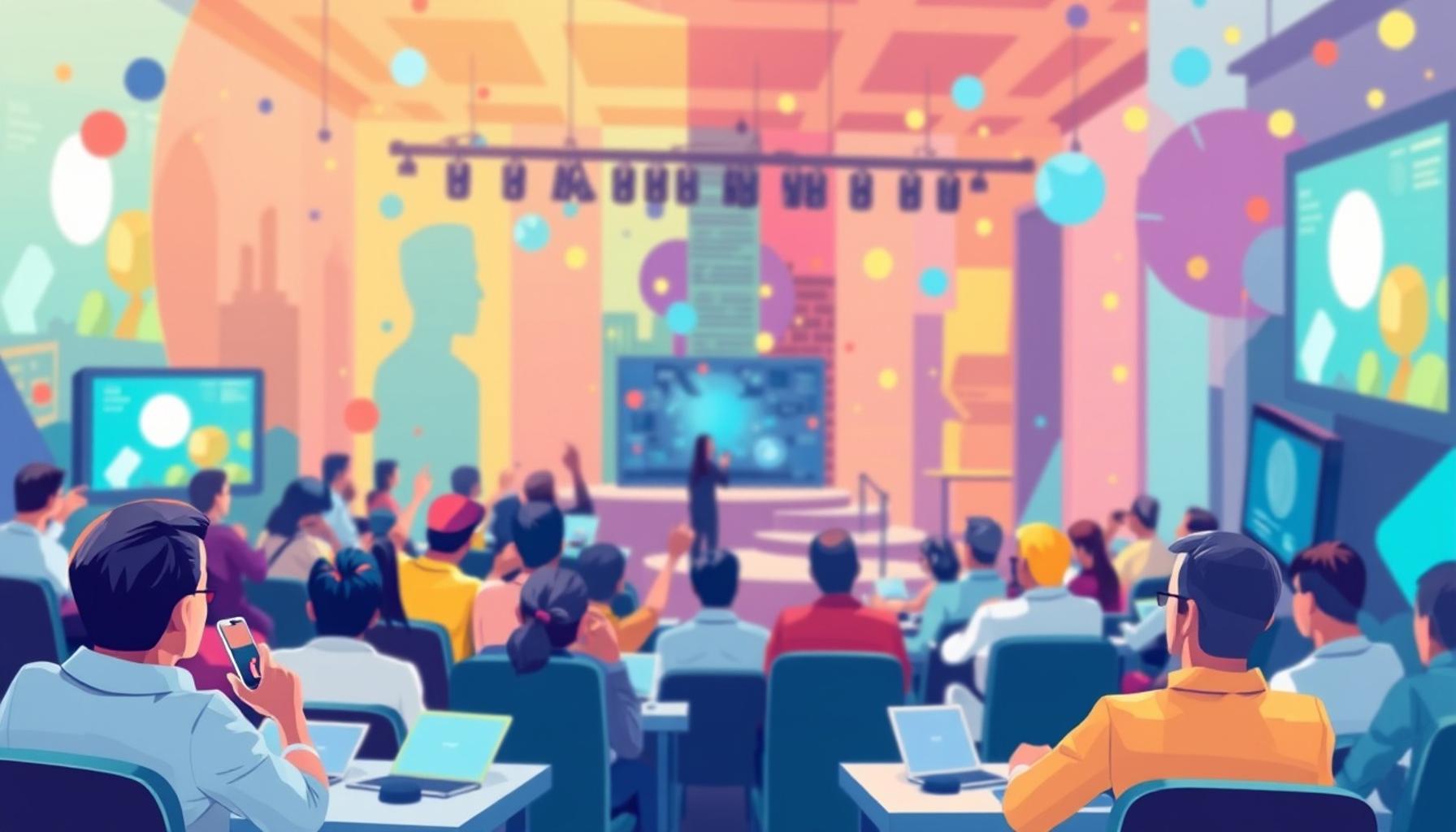
In the realm of event organization, capturing and sustaining the audience’s attention is increasingly challenging. This is where gamification comes into play, introducing game mechanics and elements into contexts typically devoid of competition or enjoyment. Through this innovative approach, event organizers can turn a mundane digital gathering into an extraordinary experience, rich with interaction and engagement.
Key Elements of Gamification
Let’s delve into how gamification manifests in digital events with some important elements:
- Increased Engagement: Gamification injects energy into events through interactive games and challenges. For instance, a virtual conference might include a scavenger hunt where participants search for hidden clues related to speakers or topics discussed during sessions. This not only keeps attendees focused but also encourages them to explore the event platform more thoroughly.
- Real-Time Feedback: One of the standout features of gamification is the provision of instant rewards and tracking mechanisms. For example, event organizers can implement a points system where participants earn points for attending sessions, asking questions, or participating in live polls. This real-time feedback motivates attendees to remain active and engaged as they see their progress and can compete for prizes, such as gift cards or exclusive content.
- Community Building: Gamified events foster a sense of belonging by promoting collaboration and healthy competition among attendees. For example, team-based challenges or competitions can encourage networking, as attendees form teams to improve their odds of winning. This not only enhances participation but also helps create lasting connections among participants within the community.
Practical Examples of Gamification
From virtual conferences to webinars, the application of gamification can significantly enhance the experience. Practical examples include:
- **Leaderboard challenges:** These allow attendees to compete against one another, viewing their scores in real-time. This competitive edge can motivate them to engage more deeply with the content presented.
- **Quiz competitions:** Incorporating quizzes during or after presentations can not only test the knowledge gained but also allow attendees to win prizes, creating a fun atmosphere.
- **Interactive polls:** These are effective in gauging participant opinions or knowledge, making attendees feel they have a voice in the event while also providing valuable insights to the organizers.
As technology continues to evolve, so do the tools available for implementing gamification in digital environments. Technologies like virtual reality (VR) and augmented reality (AR) are emerging as exciting tools to enhance gamified experiences even further. For instance, VR can transport attendees into a simulated environment relevant to the event topic, creating an immersive learning experience.
In conclusion, embracing the latest innovations in gamification can truly revitalize digital events, transforming them from a passive viewing experience into a vibrant, interactive journey. Event organizers who harness these techniques are well-positioned to create enriching and unforgettable experiences for their audiences, ultimately leading to greater satisfaction and higher retention rates.
DISCOVER MORE: Click here to learn how financial education shapes young investors’ mindsets
Exploring the Innovations in Gamification
As we navigate the evolving landscape of digital events, the integration of gamification serves as a pivotal strategy for enhancing audience engagement. With a variety of innovative tools and techniques at their disposal, event organizers can craft experiences that are not only enjoyable but also educational. The following innovations offer a glimpse into how gamification is being redefined in the digital event sphere.
Utilizing Technology for Interactive Experiences
Advancements in technology have broadened the horizons of gamification, allowing event organizers to create more immersive and interactive experiences. The incorporation of tools such as mobile apps, augmented reality (AR), and virtual reality (VR) has allowed events to transcend traditional boundaries. Here are several examples:
- Mobile Event Apps: These apps facilitate seamless interaction by providing attendees with access to schedules, speaker bios, and live updates. Additionally, they can host in-app challenges and contests that encourage users to participate actively throughout the event. For example, attendees can earn rewards for checking into different sessions or interacting with exhibitors.
- Augmented Reality Challenges: By blending the physical and digital worlds, augmented reality can introduce interactive challenges that engage participants on an entirely new level. For instance, a conference might offer tasks that require attendees to find AR markers throughout the venue, unlocking special content or rewards when found.
- Virtual Reality Engagements: Virtual reality can transform how attendees experience events by immersing them in simulations that relate to the event theme. For example, a tech convention could showcase a VR experience where participants interact with cutting-edge technologies, effectively learning through hands-on participation.
Personalized Experiences Through Data
Another significant advantage of gamification lies in the use of data analytics to tailor experiences for individual attendees. By collecting insights on participant interests and behaviors, organizers can customize challenges and interaction opportunities that resonate with each user. Here are a few techniques:
- Customized Leaderboards: Instead of a generic leaderboard, personalized leaderboards can showcase rankings based on attendee preferences or expertise. This customization increases competition while ensuring that the engagement remains relevant to each participant.
- Targeted Content Delivery: By analyzing attendee behavior during the event, organizers can deliver specific content and challenges that align with individual interests. For example, if a participant engages more with marketing-related sessions, they could receive gamified tasks linked to marketing themes.
- Achievement Badges: These digital badges reward attendees for their engagement throughout the event. As participants complete specific tasks, such as attending workshops or participating in discussions, they can collect badges that signify their achievements, resulting in a sense of accomplishment.
In summary, the innovations in gamification for digital events are not just about adding elements of fun; they represent a transformation in how audiences engage with content and each other. By leveraging technology and personalized experiences, event organizers are positioned to create memorable experiences that foster deeper connections and enhance learning. As we continue to explore the vast possibilities of gamification, one thing is clear: creating interactive and engaging events is essential for success in today’s digital landscape.
DISCOVER MORE: Click here for the step-by-step guide
Enhancing Interactivity with Live Polling and Feedback
In the quest to deepen audience engagement, the integration of live polling and real-time feedback mechanisms has emerged as a game-changing innovation in gamification during digital events. These tools provide audiences with a voice, ensuring they feel valued and involved in the event’s progression. Here are some notable methods:
- Live Polling: By incorporating live polls during presentations or workshops, event organizers can stimulate interaction by asking attendees to share their opinions or vote on various topics in real-time. This not only warms up the audience but enables speakers to gauge the audience’s level of understanding and adapt their content accordingly. For instance, during a product launch, event hosts can solicit votes on attendees’ favorite features, instantly collecting valuable insights.
- Instant Feedback: Providing attendees with the option to give immediate feedback on sessions, speakers, or discussions can be incredibly beneficial. Tools such as event-specific mobile apps, social media platforms, or dedicated feedback websites allow participants to express their thoughts after each segment. Knowing that their opinions are being considered encourages a sense of community among attendees.
- Q&A Sessions: Organizing structured Q&A sessions that integrate audience questions into the program can actively engage participants. Using platforms that allow attendees to submit questions in real-time—often with the option for participants to vote on the most interesting queries—facilitates dynamic discussions and interactions that are relevant to the audience’s interests.
Creating Competitive Yet Collaborative Environments
A fundamental principle of gamification is the balance between competition and collaboration among attendees. Innovative digital events harness this principle to foster community building while also maintaining an exciting competitive spirit. Here are ways to achieve this balance:
- Team-Based Challenges: Organizing participants into teams can enhance collaboration while introducing competitive elements. Events can feature challenges where teams work together to complete tasks or solve problems, and points are assigned based on teamwork, creativity, or strategic thinking. An example could include a hackathon-style event where teams develop solutions to industry-related challenges.
- Peer Recognition Features: Gamification can also include mechanisms for peer recognition, such as nominations or shout-outs for outstanding contributions. This can create a positive feedback loop where participants feel appreciated and motivated to contribute more actively, reinforcing a sense of community.
- Interactive Workshops: Encouraging participation through hands-on, problem-solving workshops allows attendees not only to learn together but also to share knowledge and experiences. For example, an industry conference might host collaborative sessions where participants apply interactive scenarios to develop solutions, bridging gaps between learning and practical application.
Integrating Social Media for Broader Engagement
Leveraging social media is a crucial aspect of modern-day gamification strategies at digital events. Social media engagement can extend the reach of events beyond their virtual boundaries, attracting wider audiences while enhancing participant interaction. Here’s how:
- Social Media Challenges: Companies are increasingly utilizing social media platforms to create contests, such as photo or video challenges related to the event theme. Participants are encouraged to post their entries using specific hashtags, creating an online buzz that amplifies engagement while promoting the event.
- Real-Time Updates and Hashtag Campaigns: Consistent updates via social media not only keep attendees informed but also invite them to engage with event content. Specific hashtags can create a sense of camaraderie as participants share their experiences, insights, and highlight reels from the event.
- Influencer Partnerships: Collaborating with industry influencers can significantly enhance visibility and engagement. By inviting influencers to participate in the event and share their experiences through live streams or posts, event organizers can captivate new audiences and maintain excitement throughout the event lifecycle.
Incorporating these innovative strategies deepens audience involvement and creates a more vibrant and engaged environment for digital events. By utilizing live polling, fostering collaboration, and integrating social media, event organizers can cultivate an experience that resonates with diverse audiences while ensuring they remain central to the event’s success.
DISCOVER MORE: Click here to learn about the impact of psychology on your investments</p
Conclusion
As we observe the evolution of digital events, it becomes clear that gamification innovations play a vital role in transforming audience interaction from passive observation to active participation. By leveraging tools such as live polling and encouraging immediate feedback, event organizers create a space where attendees feel their opinions matter and their involvement counts. Furthermore, incorporating team-based challenges fosters a collaborative environment that allows participants to bond and learn from one another while sparking friendly competition.
The integration of social media amplifies these interactions, as it extends engagement beyond the event itself and cultivates a community of enthusiastic participants. By creating unique content-sharing challenges and utilizing influencer partnerships, events can capture a broader audience and maintain momentum well after the curtains close. Engaging with attendees in such dynamic ways not only enriches the experience but also underlines the significance of community within the digital landscape.
These innovations represent a shift in how events are structured, focusing on creating a sense of belonging and motivation among participants. As we move forward, embracing these strategies will be essential for enhancing the effectiveness of digital events, ensuring they remain not only informative but also truly engaging. Event organizers must continue to explore and implement gamification techniques that resonate with diverse audiences, fostering deeper connections and unforgettable experiences.

Linda Carter
Linda Carter is a writer and expert known for producing clear, engaging, and easy-to-understand content. With solid experience guiding people in achieving their goals, she shares valuable insights and practical guidance. Her mission is to support readers in making informed choices and achieving significant progress.