The Influence of Artificial Intelligence on Political Campaign Strategies
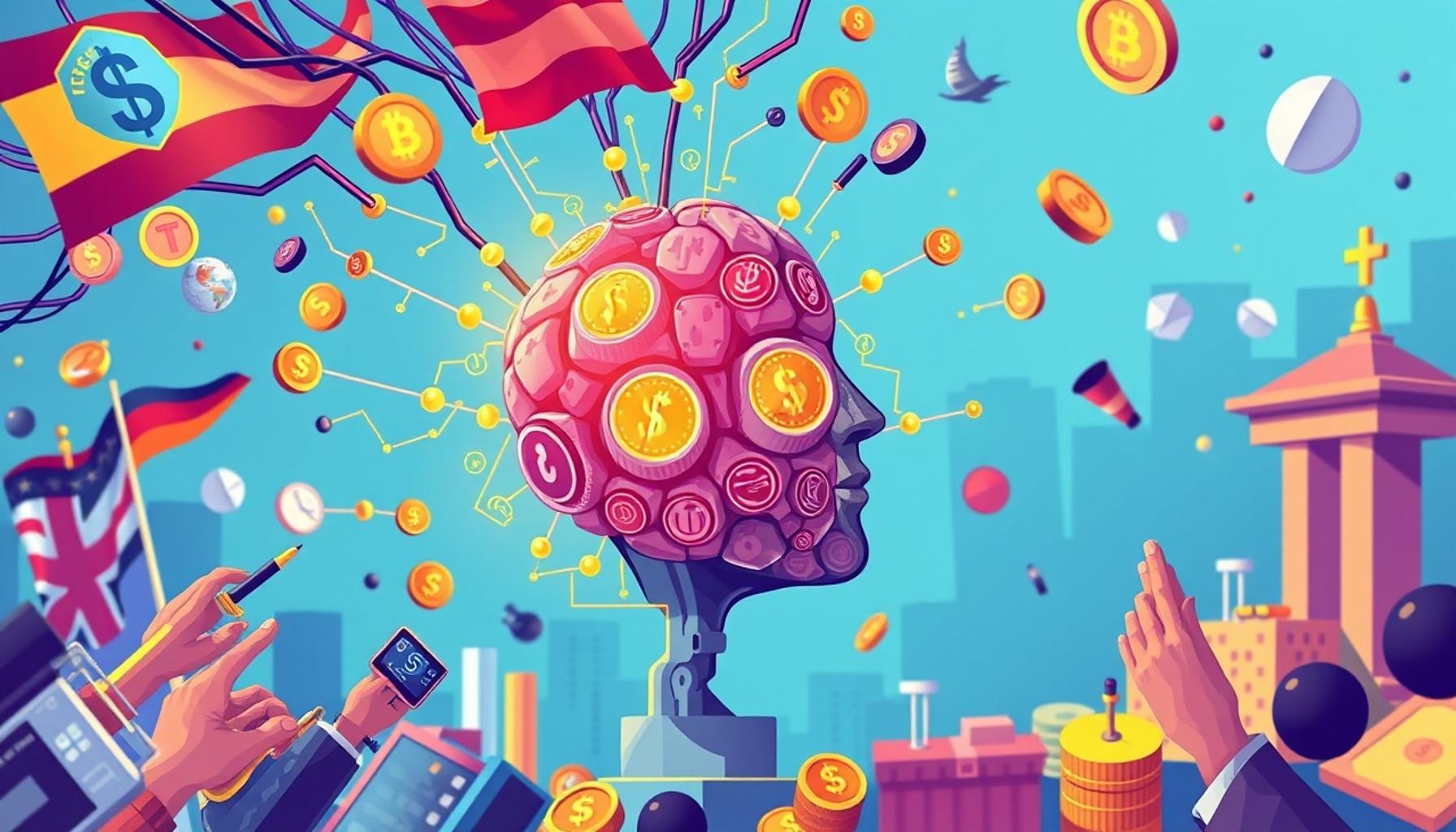
The Role of AI in Political Campaigning
The application of artificial intelligence (AI) within political campaigns represents a significant evolution in the way candidates engage with voters. These technological advancements have reshaped the landscape of political campaigning, enabling candidates to run more efficient and data-driven strategies. The integration of AI tools is no longer a choice; it has become a necessity for candidates looking to connect with voters effectively.
How AI Enhances Campaign Strategies
Several crucial methods illustrate how AI enhances political campaigning:
- Data Analysis: Political campaigns generate and acquire a vast array of data, from voter demographics and past election results to social media interactions. AI algorithms can sift through this extensive data, identifying not just the preferences of various voter segments but also trends over time. For example, during the intense electoral cycles, campaigns have used AI to notice that specific age groups are more inclined to support certain policies, enabling them to tailor their outreach accordingly.
- Predictive Modeling: By utilizing AI’s predictive modeling capabilities, campaigns can analyze historical election data combined with current voter behavior to forecast electoral outcomes. This method equips candidates with insights on which strategies may succeed or fail. For instance, if data predicts increased voter turnout among younger demographics, a campaign may prioritize engaging content on social media platforms favored by that group.
- Personalized Messaging: AI enables campaigns to create highly personalized messages. This tailored communication ensures that content resonates with distinct voter demographics. For example, a campaign targeting environmentally conscious voters may utilize AI to craft messages focusing on climate policy, delivered directly through their preferred communication channels, such as email or social media ads.
- Social Media Insights: Social media has become an essential battleground for political messaging. AI tools can analyze public sentiment on platforms like Twitter and Facebook in real-time, allowing campaigns to pivot their strategies as needed. For instance, if a particular issue trends negatively, campaigns can reassess and alter their messaging almost immediately to mitigate any backlash.
The aforementioned capabilities have proven significant in enhancing candidate outreach and voter engagement. To illustrate, during the 2020 U.S. presidential election, both major parties utilized AI tools to optimize advertising placements and maximize their reach among undecided voters, ultimately impacting the election outcome.
Conclusion
For candidates, understanding how AI influences campaign strategies is essential for effective engagement in today’s digital age. For voters, staying informed about these technological advancements empowers them to interact with the political process more critically. As AI technology continues to evolve, both candidates and citizens alike must adapt, ensuring that democratic engagement remains robust and reflective of the electorate’s needs.
DISCOVER MORE: Click here for details on applying
The Transformative Power of AI in Political Campaigns
Artificial intelligence is fundamentally altering how political campaigns operate; it is increasingly at the forefront of strategy formulation and voter engagement. One of the primary benefits of AI is its ability to handle large sets of data, which have become pivotal in shaping campaign strategies. As campaigns collect information from various sources, the potential for AI to analyze and derive insights from this information grows exponentially.
Breaking Down the Data Barrier
At the heart of AI’s influence in political campaign strategies lies data analysis. Political campaigns can gather data from numerous channels, including voter registrations, surveys, social media interactions, and even browsing behavior on campaign websites. AI algorithms analyze this information to uncover intricate patterns and tendencies. The insights gained from data analysis enable campaigns to pinpoint specific audience segments and understand their preferences more accurately.
- Targeted Outreach: For instance, if the data shows that a particular demographic, such as millennials, is trending towards a specific issue like student debt relief, a campaign can direct its resources toward creating messaging that highlights relevant policies aimed at this concern. The result is a more focused and efficient outreach strategy.
- Voter Engagement: Moreover, AI helps in fostering voter engagement. By analyzing what social media content resonates with different demographics, campaigns can craft engaging messages that drive interaction and spur discussions. This interactive format is crucial in maintaining interest and encouraging voter turnout on election day.
- Feedback Mechanisms: AI also serves as a powerful feedback mechanism. By monitoring real-time responses to campaign messages across platforms, campaigns can quickly adapt their strategies. If a message that was deemed effective experiences negative feedback, AI can alert campaign managers to explore alternatives.
Another significant aspect of AI’s role in political campaigns is its predictive modeling capabilities. Using historical election data combined with current behavioral trends, AI can offer forecasts about potential voter turnout and preferences. This predictive analysis empowers strategists to allocate resources more effectively, ensuring they target the right groups with the right messages. For example, leading into the 2020 U.S. presidential election, campaigns that successfully used predictive models were able to identify emerging voter blocks and adapt their strategies accordingly. This adaptability becomes crucial as the political climate shifts rapidly.
In summary, by leveraging the capabilities of AI, political campaigns can move beyond traditional methods and embrace data-driven strategies. With the continuous advancement of AI technologies, candidates who effectively incorporate these tools into their campaigns are likely to gain a significant edge in a competitive electoral environment.
DISCOVER MORE: Click here for expert strategies
AI-Driven Personalization in Political Messaging
Another profound influence of AI on political campaign strategies lies in personalization. Conventional political messaging often takes a broad-brush approach that may miss the mark for many potential voters. However, with AI, campaigns can create tailored messages that resonate deeply with individuals based on their unique preferences and behaviors.
Personalization at Scale
By leveraging advanced machine learning algorithms, campaigns can analyze individual voter data to craft messages that feel personal and relevant. For instance, AI can segment voters not just by demographics but also by their interests and engagement history with the campaign. This allows for the formulation of highly personalized outreach strategies that speak directly to voters. In 2020, for example, the Biden campaign successfully used such techniques to send targeted text messages to voters in battleground states, addressing issues most pertinent to them, like healthcare or job creation.
- Customized Content: AI enables campaigns to generate customized content for various voter segments. For instance, if a significant number of voters express interest in environmental issues, the campaign can prioritize content that emphasizes their commitment to sustainability, showcasing relevant policies or endorsements from environmental organizations.
- Dynamic Communications: AI also facilitates dynamic communications. Campaigns can use AI-based chatbots on their websites and social media platforms, providing immediate responses tailored to the inquiries or concerns of individual voters. This instant interaction fosters a sense of involvement and connection, which is invaluable in an age where voters often seek immediate gratification.
- Ad Spend Optimization: AI assists in optimizing ad spending on digital platforms by testing variations of ads to identify which ones yield better engagement from specific audience segments. Campaigns can utilize A/B testing, wherein two versions of an ad are shown to different segments of the audience, allowing the campaign to allocate budget efficiently toward the most effective messaging.
AI’s capabilities are not solely limited to communications; they extend into the realm of sentiment analysis. By analyzing social media trends and public sentiment, AI can gauge voter reactions to specific messaging or candidate performances. This deep understanding of voter sentiment allows campaigns to pivot their strategies quickly in response to how their messages are received. For instance, if data indicates public dissatisfaction with a candidate’s stance on particular policies, AI can alert teams to shift focus or recalibrate messaging to win back discontented constituencies.
Furthermore, AI aids in predictive engagement by identifying which voters are more likely to be persuaded by specific messages based on their digital footprints. For example, campaigns can identify influencers within targeted constituencies and leverage those individuals to amplify their messages, reaching potential voters through trusted social networks. This grassroots strategy has proven highly effective, particularly among younger voters who may be more attuned to peer recommendations than traditional campaign outreach.
In today’s hyper-competitive political landscape, it is evident that the application of AI in crafting personalized communication and finely-tuned outreach strategies can serve as powerful catalysts for engagement and mobilization, leading to greater voter turnout and, ultimately, electoral success.
DISCOVER MORE: Click here for invaluable insights on early retirement planning
Conclusion
In conclusion, the influence of artificial intelligence on political campaign strategies is both profound and transformative. As political candidates harness the power of AI, they are able to engage voters in more meaningful and personalized ways than ever before. Through advanced data analysis and machine learning, campaigns can tailor their messaging to meet the specific interests and motivations of individual voters, resulting in heightened connection and engagement.
The ability to create customized content, dynamic communications, and optimize ad spending empowers campaigns not only to allocate their resources effectively, but also to build relationships with their constituents. Moreover, the integration of sentiment analysis allows campaigns to rapidly adapt and respond to public opinion, fostering resilience and responsiveness in their messaging strategies.
Looking ahead, the intersection of AI and political campaigning presents both opportunities and challenges. As AI tools continue to evolve, ethical considerations surrounding privacy, data security, and potential biases in algorithms must remain at the forefront. Campaigns are tasked with navigating this complex landscape to ensure that technological advancements enhance democratic engagement rather than detract from it.
Ultimately, campaigns that effectively leverage AI will likely lead the way in mobilizing voters and making their voices heard. Embracing this digital age of campaigning provides a pathway to not just winning elections, but also nurturing an informed and engaged electorate capable of shaping the future of democracy in the United States.

Linda Carter
Linda Carter is a writer and expert known for producing clear, engaging, and easy-to-understand content. With solid experience guiding people in achieving their goals, she shares valuable insights and practical guidance. Her mission is to support readers in making informed choices and achieving significant progress.