The Impact of Social Media on Political Mobilization during Elections in the USA
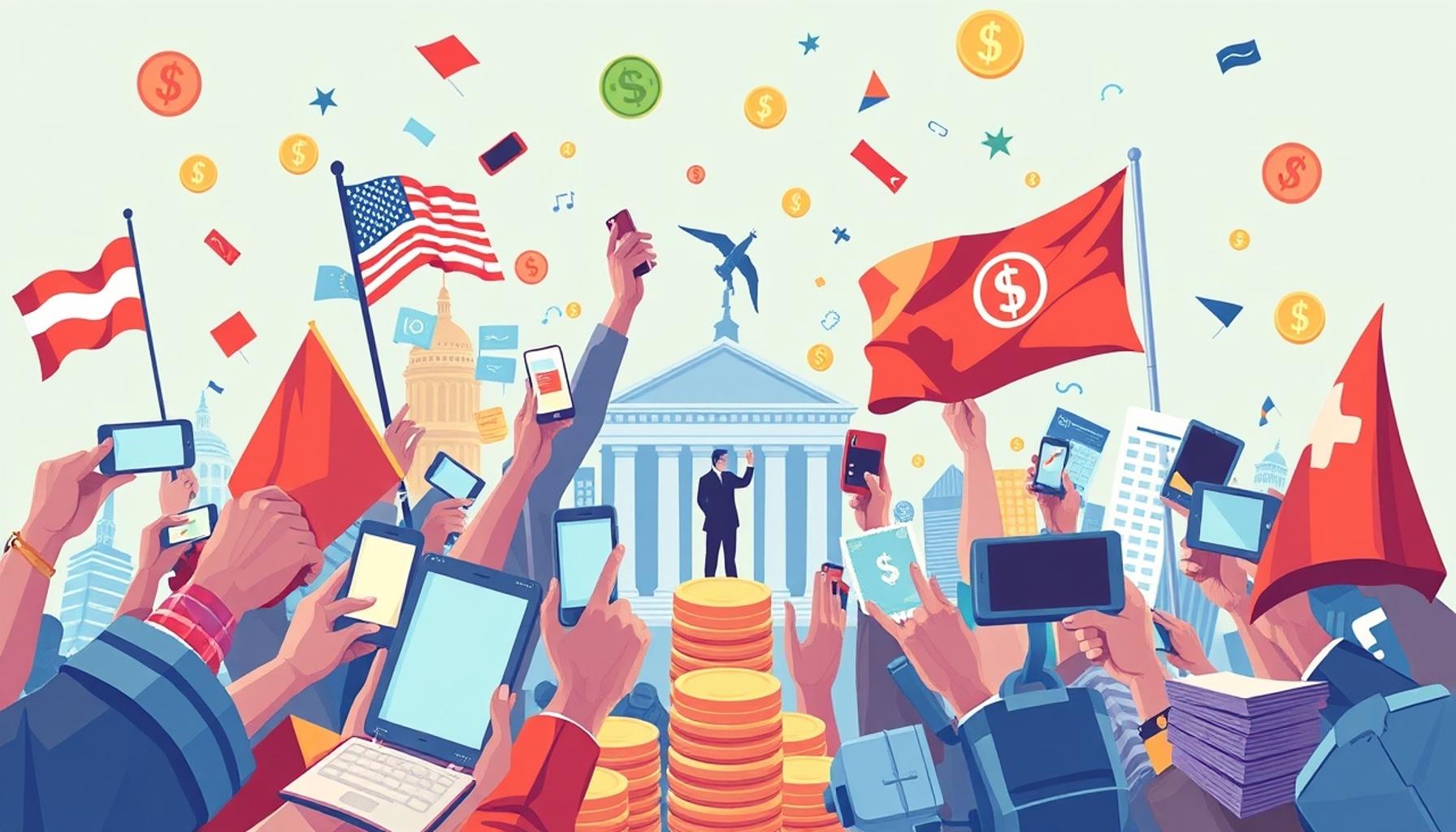
The Role of Social Media in Political Mobilization
In the contemporary political landscape of the United States, social media serves not only as a communication tool but as a transformative force influencing how voters engage with their government and each other. The rapid evolution of technology has allowed for a level of interaction previously unimaginable, fundamentally altering the dynamics of political campaigns and voter engagement.
Information Dissemination
One of the primary advantages of social media is information dissemination. Traditional news outlets can take time to report on events, but platforms like Twitter allow for the instantaneous sharing of news, updates, and relevant political discourse. For example, breaking news about new legislation or a candidate’s policy change can reach millions in mere seconds. This immediacy empowers voters to stay informed about critical issues affecting their lives, from healthcare policies to educational reforms.
Engagement
Moreover, engagement through social media allows candidates to connect directly with voters, fostering a sense of closeness that television ads cannot achieve. Politicians increasingly use platforms like Instagram or TikTok to share behind-the-scenes looks at their campaigns, personal stories, and even their daily lives. For instance, during the 2020 Presidential Election, both major candidates utilized Instagram Stories to highlight their platforms and respond to voter inquiries, making their campaigns feel more accessible and relatable.
Grassroots Organizing
Grassroots organizing has also been revolutionized by social media. Activist movements, such as Black Lives Matter, have successfully mobilized supporters through social media campaigns that spread awareness and rally people for protests and events nationwide. For example, a single post can encourage thousands to join a march, highlighting the power of collective action in the digital age. The ability to quickly organize events, share meeting details, and disseminate important information enhances the effectiveness of grassroots mobilization.
Amplifying Messages
Beyond organizing, social media amplifies messages through viral content. Memes, short videos, and catchy slogans can spread rapidly, especially among younger voters, who often share content that resonates with their beliefs and values. A single meme about student debt or climate change can spark widespread discussions, drawing attention to critical issues that might otherwise go unnoticed.
Targeted Advertising and Community Building
Campaigns also benefit from targeted advertising, using sophisticated algorithms to tailor messages to specific demographics. By analyzing user data, campaigns can reach audiences more likely to support their platforms. This level of personalization can significantly enhance voter turnout, as potential supporters receive relevant information that speaks to their specific concerns, such as healthcare or economic policies.
Furthermore, social media platforms help foster community building. Online groups and platforms create spaces where individuals can discuss political issues, share opinions, and organize collective actions. For instance, Facebook groups dedicated to local political issues can build a sense of community, encouraging members to participate in local elections and engage with civic activities.
Understanding Challenges
However, while the impact of social media on political mobilization is largely positive, it is also vital to consider the challenges it presents. The spread of misinformation, polarization of opinions, and the potential for cyberbullying can undermine democratic processes. As we continue to explore the influence of social media on political mobilization, it becomes crucial to focus on both its benefits and the need for critical media literacy among voters to ensure informed decision-making.
In conclusion, social media’s role in shaping political discourse and mobilizing voters in the U.S. is profound and multifaceted. By understanding its dynamics, voters can navigate the modern political landscape more effectively and participate in shaping their communities and the nation as a whole.
DIVE DEEPER: Click here to uncover more about cybersecurity and democratic integrity
Transformations in Political Engagement
As the digital landscape continues to evolve, social media has become a powerful instrument for political mobilization in the United States. From the way candidates campaign to how voters engage with political content, the dynamics have transformed significantly. Understanding these changes is crucial as they play a pivotal role during elections.
The Power of Real-Time Communication
One of the most significant changes brought about by social media is the ability to communicate in real-time. Candidates and politicians can respond to events, public concerns, and even controversies almost instantaneously. This real-time interaction fosters a sense of transparency and urgency in political discourse. For instance, during heightened political moments—such as debates or breaking news—candidates can provide live updates that shape voter perceptions on-the-fly.
Building a Digital Presence
Establishing a robust digital presence is now more important than ever for candidates. Political campaigns leverage platforms like Twitter, Facebook, and YouTube to create a personal brand that resonates with their audience. These online platforms allow for the dissemination of tailored content, enabling candidates to curate their messages based on the unique demographics they aim to reach. Creating a relatable digital presence can significantly influence voter attitudes and enhance engagement.
Engaging Youth Voters
Social media is particularly effective at reaching younger voters, an essential demographic that is often seen as challenging to engage. With platforms like TikTok and Snapchat gaining traction, campaigns are adapting their strategies to appeal to a younger audience. For example, candidates may create short and entertaining videos that capture their policies or campaign messages, making political content more accessible and engaging. This approach not only informs young voters but also fosters a sense of political ownership and participation.
Mobilizing Supporters: Events and Participation
The use of social media for mobilizing supporters has revolutionized the way campaigns organize events. Here are several ways social media plays a role in mobilization:
- Event Promotion: Campaigns can create event pages on Facebook to inform potential supporters about upcoming rallies, fundraisers, and town halls.
- RSVP Tools: Platforms enable users to RSVP to events, allowing organizers to gauge interest and plan accordingly.
- Live-Streaming: Events can be live-streamed on platforms like Instagram Live or Facebook Live, reaching audiences who cannot attend in person.
- Engagement Feedback: Social media allows for immediate feedback from attendees, fostering a sense of community and connection.
The Risks of Over-Reliance on Social Media
Despite the numerous advantages, an over-reliance on social media can lead to potential downsides. The phenomenon of echo chambers—where users only encounter information that reinforces their existing beliefs—can exacerbate polarization. Additionally, the commodification of information, with political content competing against entertainment, could dilute serious political discourse. Stakeholders must remain aware of these challenges, ensuring that social media serves as a tool for sincere engagement rather than mere rhetoric.
In summary, social media has emerged as a transformative force in political mobilization, shaping how Americans engage with elections and one another. By understanding both the opportunities and potential pitfalls, voters and candidates alike can navigate this digital landscape more effectively and responsibly.
DISCOVER MORE: Click here to uncover your financial purpose
Transforming Traditional Campaigning
As the role of social media has grown, traditional campaigning methods are being reevaluated and often replaced. Campaigns that relied heavily on televised advertisements and door-to-door canvassing are now integrating robust online strategies that elevate their outreach dramatically. This evolution in campaigning emphasizes a shift from passive consumption of information to active engagement.
The Role of Influencers and Digital Activists
Another notable shift in political mobilization is the rise of social media influencers and digital activists. These individuals have cultivated significant followings and can effectively sway public opinion, particularly within younger demographics. For example, influencers often collaborate with political campaigns to endorse candidates or highlight key policy issues in an engaging and relatable manner. Their authentic voices resonate with their audiences, making political messages more palatable and accessible.
Micro-targeting and Data Analytics
Campaigns are increasingly using data analytics to identify and engage specific voter segments, a practice made possible through social media platforms. By analyzing user data, campaigns can tailor ads and content to reach individuals based on their interests, demographics, and online behaviors. For instance, a campaign may run targeted ads promoting healthcare policies in areas where surveys indicate that the electorate is concerned about medical access. This micro-targeting helps campaigns communicate more effectively and increases the likelihood of mobilizing specific voter groups.
Grassroots Movements and Hashtag Activism
Social media has also facilitated the rise of grassroots movements and hashtag activism, allowing ordinary citizens to organize and promote their causes. Hashtags like #BlackLivesMatter or #MeToo have mobilized thousands, driving critical conversations and inspiring action across the nation. These movements, while often decentralized, leverage social media to amplify their messages, gain visibility, and rally supporters who share similar concerns. The ability to rapidly share information and coordinate activities means that issues affecting communities can be spotlighted and addressed with unprecedented speed.
The Spread of Misinformation
While social media has democratized the flow of information, it has also opened the door for misinformation to spread rapidly. False narratives and misleading information can easily circulate, influencing public perception and voter behavior. The infamous example of doctored images or misleading statistics being shared without context can leave lasting impacts on election outcomes. To combat this, both platforms and users are encouraged to adopt a more critical view of the content they engage with, promoting digital literacy initiatives that empower voters to distinguish between accurate information and misinformation.
The Importance of Real-World Engagement
Although social media plays a significant role in mobilizing voters, it is crucial to remember the importance of real-world engagement. Social media should be viewed as a supplementary tool, not a replacement for traditional forms of activism and participation. Initiatives aimed at translating online enthusiasm into voter turnout—like organizing community events, registering voters, or facilitating discussions—are essential for effective political mobilization. Integrating digital strategies with in-person efforts can create a more comprehensive campaign approach, fostering a more politically active citizenry.
DISCOVER MORE: Click here to learn about effective life planning strategies
Conclusion
The landscape of political mobilization in the USA has undergone a remarkable transformation, primarily due to the advent of social media. As we have explored, platforms such as Facebook, Twitter, and Instagram are not merely channels for communication but pivotal tools that shape electoral dynamics. By enabling campaigns to engage directly with voters, these platforms facilitate active participation, allowing citizens to not only consume information but also contribute to the political discourse.
Moreover, the influence of social media extends beyond traditional campaigning. The emergence of digital activists and social media influencers creates new avenues for reaching diverse demographics, particularly younger voters who are increasingly disengaged from traditional media. The strategic use of data analytics for micro-targeting enhances the effectiveness of campaigns by connecting with voters based on their unique concerns and interests.
While the power of grassroots movements and hashtag activism has empowered ordinary citizens to voice their opinions and create meaningful change, the challenge remains in navigating the complexities of misinformation. Promoting digital literacy is crucial for ensuring that voters make informed decisions based on accurate information. By recognizing the importance of real-world engagement alongside online campaigning, we can foster a more integrated approach to political participation.
In conclusion, social media’s impact on political mobilization is profound and multifaceted. As we continue to adapt to these changes, it is essential for both campaigns and voters to harness the potential of social media responsibly, ensuring that it serves to strengthen democratic engagement rather than diminish it. The future of politics in the USA will undoubtedly be shaped by how effectively we navigate the challenges and opportunities presented by this digital age.

Linda Carter
Linda Carter is a writer and expert known for producing clear, engaging, and easy-to-understand content. With solid experience guiding people in achieving their goals, she shares valuable insights and practical guidance. Her mission is to support readers in making informed choices and achieving significant progress.