The impact of social media on political mobilization during elections in the United States
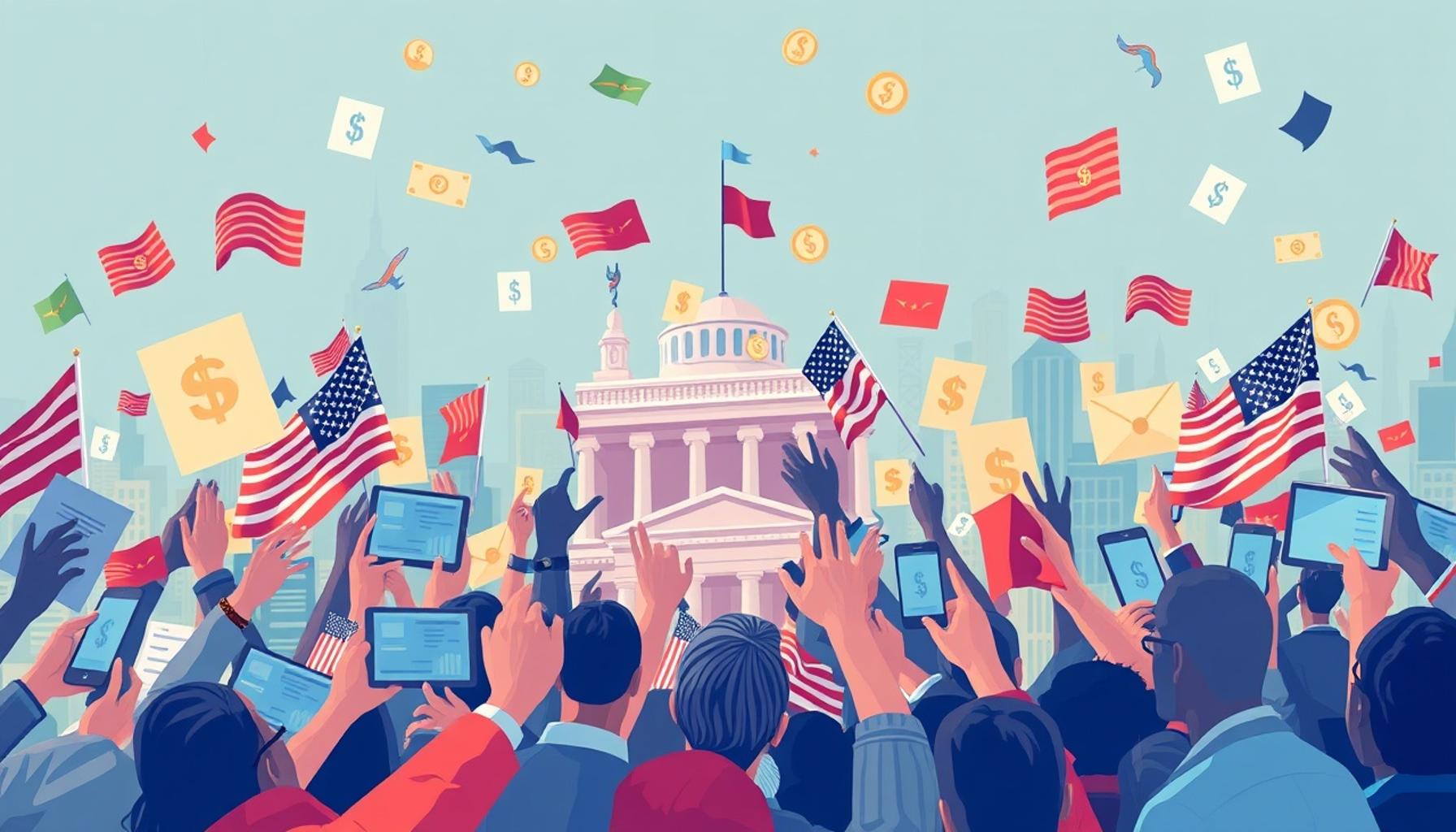
Influence of Social Media on Political Mobilization
The advent of social media has heralded a new era in political mobilization in the United States, making it simpler for citizens to engage with the political process. Platforms such as Facebook, Twitter, and Instagram allow individuals not only to connect with friends and family but also to access political discourse, create awareness about issues, and participate in democratic activities. This interconnectivity fosters a sense of community among like-minded individuals and can mobilize collective action in ways not previously possible.
One of the fundamental roles social media plays in political mobilization is information dissemination. Traditionally, politicians relied on mainstream media to broadcast their messages, which could distort or omit critical information. Today, candidates can communicate directly with voters, crafting their narratives without outside interference. For example, during the 2020 election, both major party candidates utilized live-streaming on platforms like Facebook and Instagram to deliver unfiltered messages, allowing supporters to feel more connected and engaged.
Voter engagement is another vital function of social media. Campaigns leverage these platforms to foster two-way communication with potential voters. This engagement includes responding to questions, sharing content, and even conducting live Q&A sessions. A notable example is the “#AskTheCandidates” hashtag, where voters could directly pose their questions to candidates in a public forum, receiving immediate answers that would enhance their understanding of campaign promises and policies.
Additionally, social media serves as a powerful tool for organization. It enables grassroots movements to mobilize supporters quickly and efficiently. For instance, in response to various social justice issues, movements like Black Lives Matter have successfully organized protests and campaigns through social media. By sharing posts and utilizing hashtags, individuals can rally support, promote events, and even raise funds, all from their devices.
The pivotal role social media plays is clearly illustrated by its impact on recent elections. During the 2016 Presidential Election, for instance, social media platforms were used to target specific demographics with tailored ads, influencing public opinion on a massive scale. The overwhelming presence of misinformation also underscores the complex nature of social media’s influence. Meanwhile, in the 2020 Election, platforms were critical for spreading voting information, especially about mail-in ballots during the pandemic, resulting in an impressive voter turnout.
As we ponder the implications of these developments, it’s crucial to recognize both the advantages and challenges social media brings to political engagement. While it can enhance democratic participation, it also raises concerns about misinformation and polarization. Understanding this duality will provide deeper insights into how social media continues to reshape political mobilization in the United States.
DISCOVER MORE: Click here for insights on AI and digital policies</a
Transformative Effects of Social Media on Voter Outreach
As we delve deeper into the influence of social media on political mobilization, it is essential to recognize how these platforms revolutionize voter outreach. Historically, campaigns utilized telephone banks, door-to-door canvassing, and traditional advertisements to reach potential voters. However, social media has enabled candidates and political organizations to create more dynamic and immediate outreach strategies that resonate with a broader audience. This shift allows for the identification and targeting of specific voter demographics that were previously difficult to engage.
One of the significant advancements in political outreach through social media is the use of targeted advertising. Campaigns can analyze user data to tailor their messages based on factors such as age, location, and political interests. For example, younger voters are more likely to engage with content on Instagram and TikTok, leading campaigns to create platform-specific content that appeals to this demographic. On the other hand, older voters may be reached more effectively through Facebook. By strategically placing ads where certain demographics are most active, campaigns can maximize their impact and drive voter turnout.
Moreover, social media platforms offer a unique opportunity for issue-based mobilization. Candidates and advocacy groups can spotlight specific policy concerns and rally public support around them. This type of grassroots campaigning can lead to notable momentum for particular issues during elections. For instance, during the 2020 elections, environmental concerns became a critical topic, with activists using social media to promote sustainability initiatives and to mobilize the youth vote around these concerns.
In addition to creating awareness around issues, social media enables campaigns to craft and communicate their brand narrative. This involves establishing a candidate’s personality and values through engaging content—be it through memes, videos, or personal stories. This personal connection can significantly enhance a candidate’s relatability, ultimately influencing voter perceptions. When voters feel they know a candidate on a personal level, they are more likely to engage and participate in the electoral process. A good example is the successful use of viral content that showcases candidates’ authentic moments, making them more accessible to the electorate.
Now let’s look at a few key ways social media has changed political mobilization:
- Real-time interaction: Voters can interact with candidates in real time through comments and direct messages, fostering a sense of community and responsiveness.
- Event promotion: Campaigns can quickly generate buzz for rallies, town halls, and other events to mobilize supporters effectively.
- Peer influence: Social media’s shareable nature means that voters can influence their networks by sharing content, encouraging friends and family to participate in political discussions and voting.
These transformative aspects of social media highlight its role as a powerful tool for mobilizing voters. However, we must also remain mindful of ethical considerations related to privacy, misinformation, and the implications of algorithm-driven content. As we continue to explore these multifaceted dynamics, it is essential to recognize the profound impact social media has on the electoral landscape in the United States.
DIVE DEEPER: Click here to learn how to set financial goals
Challenges and Concerns in Social Media Political Mobilization
While social media undoubtedly plays a transformative role in political mobilization, it also brings forth significant challenges and concerns that must be addressed. As campaigns embrace the advantages of these platforms, they are also navigating a complex landscape marked by issues such as misinformation, echo chambers, and data privacy.
One of the most pressing challenges is the proliferation of misinformation. During election cycles, social media can serve as a breeding ground for false narratives and misleading information. Campaigns and outside entities can disseminate information that can confuse or mislead voters, which can lead to misconceptions about candidates, policies, or even the voting process itself. For example, in the lead-up to the 2020 election, numerous false claims about mail-in voting were circulated across various platforms, creating significant doubt among voters about the integrity of their ballots. This environment of misinformation can breed distrust and discourage voter participation, ultimately undermining the democratic process.
Another facet of this concern is the formation of echo chambers. Social media algorithms often promote content that aligns with users’ pre-existing beliefs and opinions, leading to a situation where individuals only engage with like-minded perspectives. This polarization can hinder constructive political discourse, as voters become less exposed to differing viewpoints. Consequently, they may become entrenched in their beliefs, which diminishes the possibility for bipartisan dialogue and understanding. Campaigns must navigate these echo chambers carefully, as they aim to appeal to a diverse electorate while avoiding the pitfalls of division.
In addition to misinformation and echo chambers, the issue of data privacy looms large in political mobilization efforts. Campaigns increasingly rely on personal data to target advertisements and voter outreach strategies. However, this raises questions about how data is collected, stored, and used. High-profile incidents involving data breaches and misuse, such as the Cambridge Analytica scandal, have spotlighted the potential risks associated with data-driven campaigns. Voters may feel uneasy about how their information is being utilized, leading to skepticism about political institutions.
Amid these challenges, it’s essential to consider how campaigns can foster a more responsible use of social media. Media literacy is becoming critical for voters, as the ability to identify credible sources and critically evaluate information can empower individuals to navigate the digital political landscape effectively. Educational initiatives that encourage engagement with reputable news sources can help combat the spread of misinformation and reduce the impact of echo chambers.
Furthermore, transparency in political advertisements, including clear disclosures about funding and sponsorship, can help build trust among the electorate. Voters have a right to know who is behind the messages they encounter on social media, and campaigns can contribute to a healthier political discourse by being forthcoming about their strategies.
The impact of social media on political mobilization is undeniably complex. As campaigns continue to innovate and adapt their outreach methods, it remains vital for stakeholders to recognize and address these challenges. Understanding the balance between effective mobilization and ethical considerations will ultimately shape the future of political engagement in the United States.
LEARN MORE: Click here to find out how
Conclusion
In summary, the influence of social media on political mobilization during elections in the United States is profound and multifaceted. As we have explored, these platforms have not only transformed the landscape of campaigning but also significantly impacted voter engagement and participation. The ability to reach vast audiences with tailored messaging allows campaigns to motivate supporters and encourage civic involvement like never before.
However, this powerful tool also presents challenges that cannot be overlooked. The prevalence of misinformation, the creation of echo chambers, and concerns surrounding data privacy necessitate a careful approach to social media usage in politics. To protect the integrity of the democratic process, both campaigns and voters must prioritize critical thinking and media literacy. Empowering individuals to discern credible information from misleading content can help combat the disinformation that tends to spread rapidly online.
Moreover, as social media continues to evolve, there is a strong need for transparency in political advertising. Clear communication about who is funding campaign messages can foster trust and promote a healthier political environment. As we look to the future, it is crucial for all stakeholders—politicians, campaign teams, and voters—to collectively address these challenges while harnessing the benefits of social media.
Ultimately, the relationship between social media and political mobilization is likely to remain a central theme in American elections. By navigating this complex terrain thoughtfully, we can strive towards a more informed electorate and a more resilient democratic process.

Linda Carter
Linda Carter is a writer and expert known for producing clear, engaging, and easy-to-understand content. With solid experience guiding people in achieving their goals, she shares valuable insights and practical guidance. Her mission is to support readers in making informed choices and achieving significant progress.