Sustainability and Technology: Advances in Renewable Energy and Their Impact on Industry
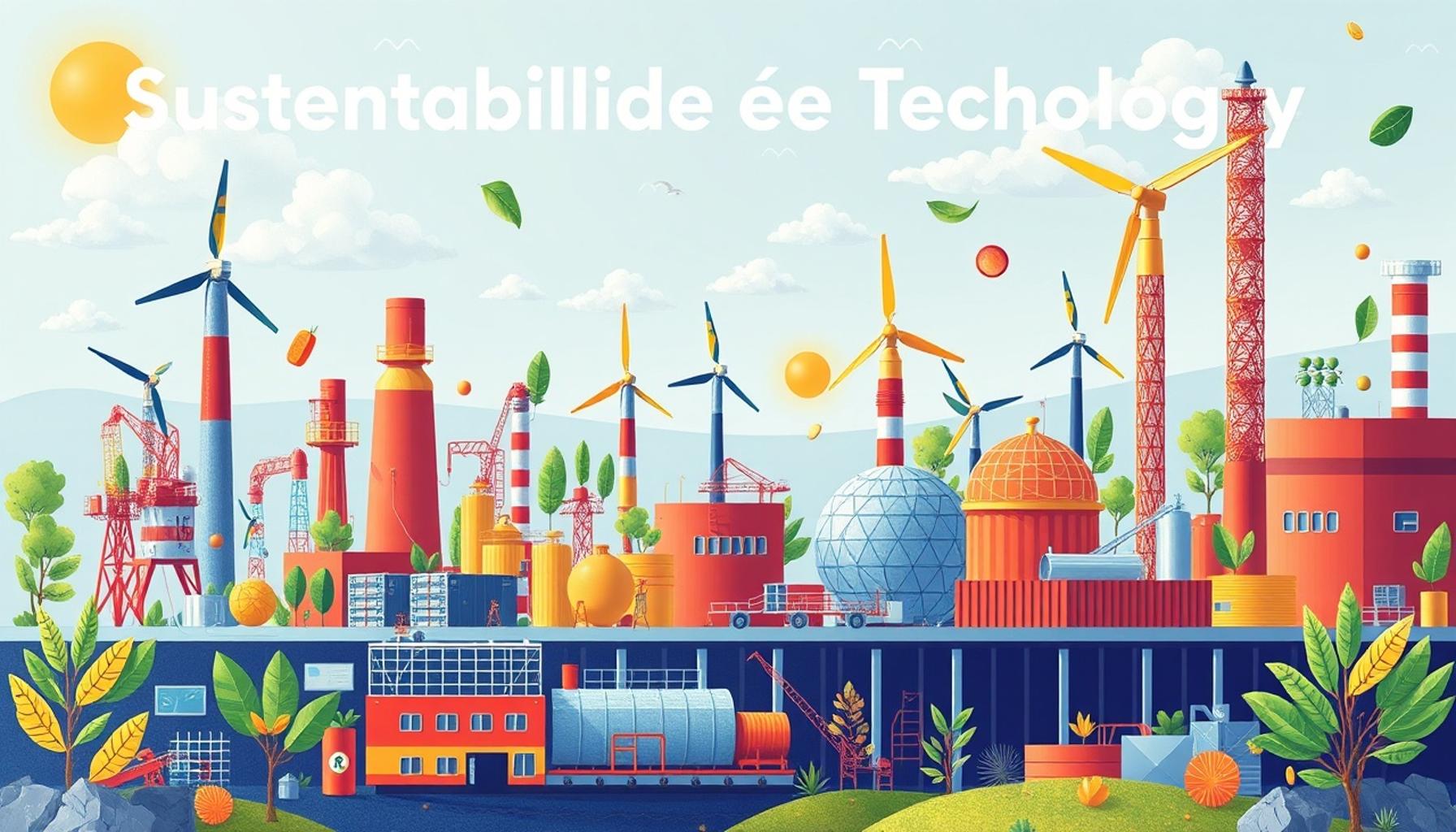
Challenges and Innovations in Renewable Energy
In recent years, the world has faced significant challenges related to climate change and environmental degradation. Consequently, renewable energy has emerged as a pivotal solution aimed at reducing carbon emissions and fostering sustainable growth. This transition is not only crucial in combating global warming but also presents numerous economic opportunities.
Advancements Driving the Renewable Energy Revolution
The shift towards renewables is powered by remarkable advances in technology. Here are key developments that are shaping the landscape:
- Solar Power: Innovations in photovoltaic cells have drastically increased efficiency. For example, companies like SunPower and First Solar have developed panels that convert more sunlight into electricity, enabling homeowners to generate their own energy. This not only saves money on electricity bills but also promotes energy independence.
- Wind Energy: Improved turbine designs and the proliferation of offshore wind farms are harnessing wind power like never before. In the United States, states such as Texas and California are leading in wind energy production, significantly contributing to their energy supply. These advancements ensure that wind energy is more reliable and capable of generating power even on challenging days.
- Battery Storage: Enhanced energy storage solutions are pivotal for addressing intermittency issues associated with renewable sources. For instance, Tesla’s Powerwall allows homeowners to store surplus solar energy for use during peak hours or outages, ensuring a steady power supply and reducing dependence on fossil fuels.
- Smart Grids: Technology is optimizing energy distribution, allowing for better integration of renewable sources into existing power systems. Smart grids utilize data analytics and IoT devices to monitor energy flow in real-time, improving efficiency and enabling utility providers to better manage demand.
Transformative Impacts on Industries
The impact of these advancements extends beyond environmental benefits; it is transforming industries. Here are some key areas of transformation:
- Industries are reducing operational costs through energy-efficient practices. For instance, companies that invest in renewable energy technologies often see a significant decrease in their energy bills.
- Firms are proactively meeting regulatory requirements and addressing consumer demand for sustainability. Corporations like Google and Apple are committing to 100% renewable energy for their operations, which helps enhance their public image and attract environmentally conscious consumers.
- This shift is also creating new job opportunities in green technology sectors. According to the U.S. Bureau of Labor Statistics, jobs in solar and wind energy are among the fastest-growing in the nation, paving the way for a more sustainable economy.
Embracing a Sustainable Future
As we delve into the intricate relationship between sustainability and technology, it becomes clear that embracing renewable energy is not just an option; it is essential for a sustainable future. From reducing greenhouse gas emissions to creating a robust economic landscape, the benefits of renewable energy touch every aspect of society. By continuing to invest in and innovate within this field, we can pave the way for a cleaner and more sustainable world for generations to come.
DIVE DEEPER: Click here to discover more
The Role of Technology in Enhancing Renewable Energy Efficiency
The integration of technology into renewable energy systems is a defining factor in the efficiency and effectiveness of our energy transition. As advancements continue to emerge, it is important to understand how these innovations not only improve energy production but also enhance overall sustainability efforts across different sectors.
Key Technological Innovations in Renewable Energy
Here are some groundbreaking technologies that are significantly contributing to the advancement of renewable energy:
- Energy Efficiency Improvements: Enhanced energy efficiency technologies are designed to reduce energy consumption across various industries. For example, advanced LED lighting and high-efficiency HVAC systems in commercial buildings help lower energy use by as much as 50%, significantly reducing operational costs.
- Blockchain Technology: This technology is being utilized to improve transparency and efficiency in the energy sector. By allowing decentralized energy transactions, it enables consumers to buy and sell energy generated from renewable sources directly among themselves, thereby promoting greater energy independence and price stability.
- Hydrogen as a Fuel Source: Innovations in hydrogen production and fuel cell technology are opening new avenues for renewable energy. Green hydrogen, produced from renewable energy sources through electrolysis, holds potential for a cleaner energy future by replacing natural gas in industrial processes and providing energy storage solutions.
The Economic Impact of Technological Advancements
These technological innovations not only bolster the effectiveness of renewable energy systems but also have significant economic implications. Here are some of the ways these advancements influence the economy:
- Cost Savings for Businesses: By investing in energy-efficient technologies, companies can significantly lower their electricity costs. For instance, a factory that adopts solar panels may see a reduction in energy expenses, thereby improving overall profitability.
- Increased Competitiveness: Businesses leveraging renewable technologies position themselves as leaders in sustainability, attracting environmentally conscious customers. This differentiation helps companies enhance their market presence and drive sales growth.
- Investment in Research and Development: The growing demand for advanced renewable technologies spurs investment in research and development. This not only leads to more innovative solutions but also fosters economic growth by creating high-skilled jobs in research and tech sectors.
In conclusion, the intersection of sustainability and technology in renewable energy is creating transformative changes in both energy production and economic landscapes. As technology continues to mature, the potential for improved efficiency, cost savings, and job creation will play a vital role in shaping a sustainable future.
DIVE DEEPER: Click here to learn more
The Global Shift Towards Renewable Energy Adoption
The momentum towards renewable energy sources is not only felt at the technological or economic level; it also represents a broader global shift that involves large-scale adoption across diverse industries. As governments, corporations, and communities commit to sustainability, the implementation of renewable technologies is becoming central to their strategic goals.
Policies Driving Adoption of Renewable Energy
Governmental policies aimed at mitigating climate change significantly influence the pace at which renewable energy is adopted. In the United States, for instance, numerous federal and state incentives encourage the transition from fossil fuels to cleaner energy sources. Some of these initiatives include:
- Tax Credits and Rebates: Programs like the Investment Tax Credit (ITC) provide significant tax reductions for businesses that invest in solar power. This incentive reduces the upfront costs for solar installations, making them more accessible for a wider array of companies.
- Renewable Energy Standards: Many states have established mandates requiring a specific percentage of energy to be sourced from renewable technologies. Such regulations compel utility companies to integrate a higher proportion of clean energy into their offerings, thereby driving overall market demand for renewable solutions.
- Grants and Funding Opportunities: The government has made substantial investments in renewable energy research through grants and funding for innovative projects. For example, the Department of Energy administers programs that finance cutting-edge research in tidal energy and battery technologies.
The Role of Corporations in Driving Innovation
Beyond governmental initiatives, private sector engagement is accelerating the adoption of renewable energy technologies. Companies across various industries are recognizing the financial and reputational benefits of sustainability:
- Corporate Sustainability Goals: Major corporations such as Google and Walmart have set ambitious targets, pledging to operate on 100% renewable energy. These commitments not only reduce their carbon footprint but also encourage suppliers and partners to adopt similar sustainable practices.
- Investment in Renewable Projects: More companies are choosing to invest directly in renewable energy projects. For example, a manufacturers’ cooperative may fund the construction of a wind farm to supply power to its members, thus securing a reliable and clean energy source while reducing costs.
- Innovation in Energy Management: Utilizing advanced software solutions and platforms that manage energy consumption helps companies optimize their use of renewable resources. Smart grids and IoT (Internet of Things) applications enable real-time data analysis, which facilitates more informed decision-making around energy utilization.
Social Benefits and Community Engagement
As renewable energy projects take root, there are significant social advantages that accompany them. Enhanced community engagement is vital for successful energy transitions:
- Job Creation: Moving toward renewable energy creates employment opportunities in new sectors, such as solar installation, wind turbine manufacturing, and energy efficiency consulting. According to the U.S. Bureau of Labor Statistics, jobs in renewable energy are projected to grow significantly faster than the national average.
- Improved Public Health: Transitioning from fossil fuels to renewable energy sources noticeably reduces air pollution. A cleaner environment promotes better public health outcomes, which can translate into lower healthcare costs for communities.
- Energy Equity: Community solar programs allow households to invest in solar energy collectively, providing access to renewable energy for low-income families who may not have suitable rooftops for solar panels. Such initiatives foster inclusivity and participation in the renewable energy shift.
By encouraging broad adoption, enhancing technological developments, and supporting economic growth, the synergy between sustainability and technology in the renewable energy sector continues to transform industries and communities alike.
DISCOVER MORE: Click here for essential tips on managing your monthly expenses
Conclusion
As we navigate the complexities of our evolving world, the integration of sustainability and technology in renewable energy stands out as a pivotal force reshaping industries. The research indicates a promising future where advancing technologies, such as solar power and wind energy, not only contribute to environmental preservation but also drive economic growth and innovation.
In the United States, a combination of robust governmental policies and proactive corporate strategies illustrates how collaboration can accelerate the shift towards cleaner energy sources. Tax incentives, renewable energy standards, and corporate sustainability goals exemplify the commitment necessary to enable this transformation. Moreover, the social benefits of renewable energy—job creation, enhanced public health, and increased energy equity—underscore its vital role in fostering more resilient communities.
However, the journey towards a sustainable future also requires continued engagement from individuals, communities, and businesses. As consumers become more conscious of their energy choices, collective action can further amplify the impact of renewable initiatives. Investing in education and outreach will empower more individuals to participate in this shift, ensuring that the progress we make is inclusive and widely beneficial.
In conclusion, the advances in renewable energy not only present solutions to pressing environmental challenges but also create a framework for sustainable growth across industries. By embracing this change, we can cultivate a healthier planet and pave the way for future generations, ensuring that sustainability and technology work in harmony for the benefit of all.

Linda Carter
Linda Carter is a writer and expert known for producing clear, engaging, and easy-to-understand content. With solid experience guiding people in achieving their goals, she shares valuable insights and practical guidance. Her mission is to support readers in making informed choices and achieving significant progress.