Disinformation and Fake News: The Role of Social Media in Information Crises
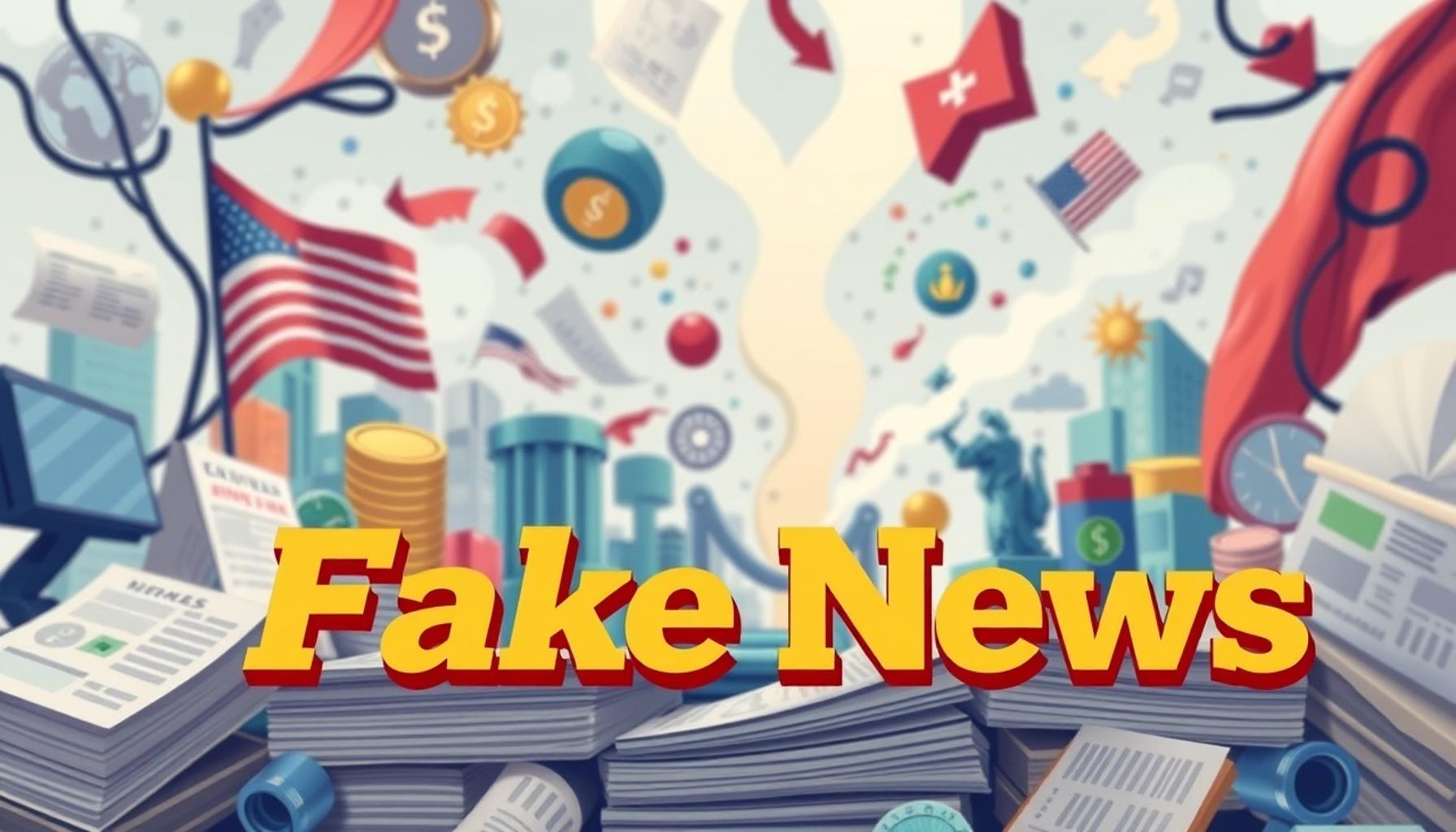
Understanding Misinformation in the Digital Age
In recent years, the digital landscape has undergone a profound transformation with the rise of social media. These platforms offer unprecedented opportunities for communication, connection, and content sharing. However, one significant downside to this evolution is the rapid spread of misinformation, which often leads to serious ramifications for society as a whole.
The factors fueling this rise in misinformation are multi-faceted. One of the key components is the viral nature of social media. For instance, a tweet or a Facebook post can reach millions of people within just a few hours, regardless of its accuracy. Viral trends can be fun and engaging, yet they can also disseminate skewed information at an alarming rate. For example, during the COVID-19 pandemic, numerous false claims about cures and preventative measures circulated rapidly, causing confusion and panic in communities.
Another concerning factor is anonymity. Many individuals feel emboldened to share information without fear of repercussions, which can lead to the spread of false narratives. This lack of accountability fosters an environment where anyone can propagate misinformation, making it increasingly challenging for consumers to discern what is true. For instance, the proliferation of “anonymous” online accounts has led to a surge in conspiracy theories and misleading content.
Algorithms also play a crucial role in the dissemination of misleading information. Social media platforms typically use algorithms that prioritize engaging content, often valuing sensational headlines over factual accuracy. This means that posts designed to provoke strong emotional reactions—whether through fear, outrage, or humor—are more likely to be amplified, thereby overshadowing credible journalism. A striking example of this is the spread of false election information, which has swayed public opinions and even influenced voting behaviors during key political events across the United States.
The implications of misinformation are serious and can culminate in several significant crises. For example, panic and confusion can arise from the spread of false health information, leading individuals to make poor health choices. Similarly, political manipulation becomes a pressing concern when fabricated news stories can sway electoral outcomes or undermine the democratic process. Moreover, the constant bombardment of misinformation leads to public distrust in legitimate news sources, diminishing the credibility of the media as a whole.
To combat this menace, it is vital to develop a strong understanding of the mechanics behind misinformation. Recognizing the characteristics of reliable sources, fact-checking before sharing information, and fostering media literacy are essential skills in today’s media-rich world. By empowering individuals with the tools to identify and challenge false narratives, we can help safeguard the truth and cultivate a more informed society.
This article aims to delve into the intricate workings of social media and its dual role as both a conduit for information and a platform for misleading narratives. Through this exploration, we can uncover effective strategies for identifying and combatting fake news in our everyday lives.
DISCOVER MORE: Click here for the ultimate guide to freebies
The Dynamics of Disinformation on Social Media
Understanding how misinformation spreads on social media is essential for safeguarding ourselves against its harmful effects. At its core, the dynamics of disinformation involve several interconnected elements that contribute to the rapid dissemination of false information. Let’s explore some of these key aspects.
1. The Role of Emotion in Content Sharing
One of the most compelling reasons misinformation spreads swiftly is the element of emotional appeal. Social media users are more likely to share content that evokes a strong emotional response. This can include feelings of fear, outrage, humor, or even polarization. For instance, during elections, posts that provoke anger about political opponents are often shared more widely than balanced commentary. This emotional bias skews public perception and can stir up discord and division.
2. Peer Influence and Social Validation
Another significant factor is the impact of peer influence. When people see others in their social networks sharing a piece of information, they may feel compelled to do the same, assuming that if it is endorsed by friends, it must be credible. This herd mentality can create a cycle in which misinformation continues to propagate, solidified by social validation. It is not uncommon for sensational articles to become viral simply because they resonate with the biases or beliefs of a particular group.
3. The “Echo Chamber” Effect
Social media algorithms often create echo chambers, where users are only exposed to information that aligns with their existing beliefs. This leads to a situation where misleading narratives are reinforced and divergent viewpoints are silenced. For example, individuals who primarily follow conservative or liberal commentators may receive skewed perspectives on news topics, further entrenching their views and reducing the likelihood of engaging with credible, fact-checked content. This phenomenon is particularly dangerous as it can lead to polarized communities that struggle to find common ground.
4. Misleading Visual Content
The visual nature of social media also plays a crucial role in the spread of misinformation. Infographics, memes, and videos can often be more impactful than written articles, making them easy to share and consume. Unfortunately, this means that even well-designed visuals can mislead users if their content is inaccurate. For example, an image manipulated to misrepresent statistics about a public health issue can easily go viral, spreading confusion among viewers who may not check the facts.
5. Factors Contributing to Information Crisis
The convergence of these dynamics creates a fertile ground for information crises. Consequently, several factors exacerbate these issues:
- Lack of critical media literacy: Many users struggle to evaluate the credibility of sources, making them more susceptible to believing and sharing false information.
- Insufficient regulatory oversight: Social media platforms often lack robust mechanisms to detect and limit the spread of misinformation.
- Fast-paced news cycles: The constant influx of information leads users to prioritize speed over fact-checking, which can result in the spread of inaccuracies.
As we navigate through the complexities of disinformation on social media, being aware of these dynamics empowers users to become more discerning consumers of information. Understanding how misinformation operates is the first step toward fostering a healthier information ecosystem.
DIVE DEEPER: Click here to learn more
The Challenges of Combating Disinformation
While understanding the dynamics of disinformation is pivotal, addressing it poses considerable challenges for individuals, social media platforms, and society as a whole. Various obstacles hinder effective measures against the proliferation of misinformation, making it crucial to explore these issues in depth.
1. The Speed and Scale of Information Dissemination
One of the foremost hurdles is the unprecedented speed and scale at which information spreads on social media. A single tweet or post can reach millions within minutes. Unlike traditional media, which often adheres to editorial standards, social media platforms operate as open forums where any user can disseminate information with little to no oversight. This rapid transmission complicates the efforts of fact-checkers and journalists who strive to counter false claims, as the misinformation may become entrenched and widely accepted before it can be accurately debunked.
2. The Role of Bots and Automated Accounts
Another layer of difficulty arises from the presence of bots and automated accounts. These entities are programmed to amplify certain narratives, often contributing to the rapid spread of disinformation. For example, during election cycles, bots can flood social media with false information about candidates or polling, thereby skewing public perception and influencing voter behavior. Distinguishing between human users and bots can be challenging, leading real users to accept spurious content as legitimate.
3. Confirmation Bias and Cognitive Dissonance
Human psychology plays a significant role in the perpetuation of misinformation. Confirmation bias leads individuals to preferentially seek out and consume information that aligns with their pre-existing beliefs, while dismissing contradictory evidence. This cognitive process is exacerbated by cognitive dissonance, wherein individuals may experience discomfort when confronted with information that conflicts with their views. As a result, even when credible sources debunk a myth or rumor, many may cling to the original misinformation instead of reevaluating their stance.
4. The Limitations of Media Literacy Programs
While efforts to enhance media literacy exist, they often fall short in addressing the scale of the problem. Educational programs aimed at improving critical thinking skills and source evaluation can be valuable, but they require sustained engagement and resources. Furthermore, the effectiveness of these programs may diminish in a society inundated with information where sensationalist headlines overshadow nuanced discussions. Thus, simply promoting media literacy is not enough; there must also be systemic changes in how information is shared and consumed online.
5. Ethical Considerations for Social Media Platforms
Finally, the ethical responsibilities of social media platforms present a substantial challenge. While many companies are recognizing the need for accountability in curbing disinformation, implementing robust measures often conflicts with the principles of free speech. Striking a balance between fostering an open dialogue and protecting users from harmful misinformation has proven to be an intricate task. Platform policies that aim to limit disinformation, such as flagging misleading posts or restricting the reach of certain content, may lead to accusations of censorship, complicating the discourse surrounding misinformation management.
These challenges illustrate that combating disinformation on social media is a multifaceted issue requiring collaborative efforts among users, platforms, and society. Understanding these obstacles is vital for developing comprehensive strategies to mitigate misinformation’s impact and ensure a more informed public discourse.
DISCOVER MORE: Click here to learn about the impact of ransomware
Conclusion
In summary, the impact of disinformation and fake news propagated through social media has woven itself into the fabric of modern society, fundamentally altering how we perceive and interact with information. The challenges posed by the rapid spread of false information, the influence of bots, psychological biases, and the ethical dilemmas faced by social media platforms highlight the complexity of tackling this issue. As we navigate through this information landscape, it becomes imperative to recognize our role as consumers of content.
To combat the rise of misinformation, individuals must develop a mindset of critical engagement, actively questioning the sources and intentions behind the information they encounter. Meanwhile, social media platforms must take on the mantle of responsibility, refining their strategies to filter out harmful content while respecting user freedoms. Moreover, enhancing media literacy across communities remains crucial in empowering users to navigate and discern credible information.
Ultimately, addressing the challenges of disinformation demands a collaborative approach that includes ongoing dialogue among educators, technologists, policymakers, and users alike. Solutions will take time, but by fostering a culture of informed sharing and active participation in the information ecosystem, we can work towards creating a society that values truth and transparency. In the age of digital communication, our commitment to these principles may well define the future of public discourse in the United States and beyond.

Linda Carter
Linda Carter is a writer and expert known for producing clear, engaging, and easy-to-understand content. With solid experience guiding people in achieving their goals, she shares valuable insights and practical guidance. Her mission is to support readers in making informed choices and achieving significant progress.