The Effect of Brexit Policies on the UK’s Exchange Markets
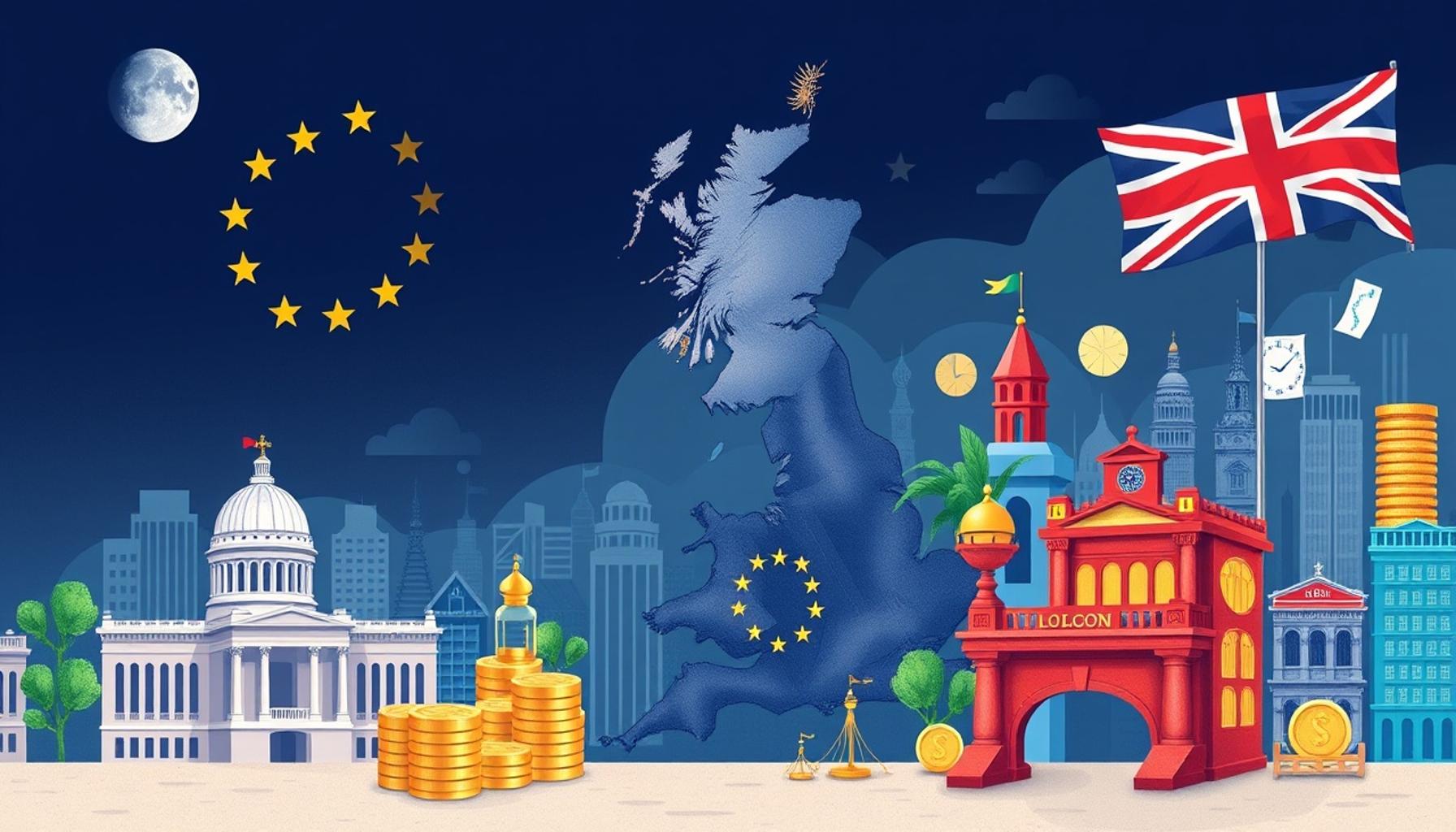
The Impact of Brexit on Currency Exchange in the UK
The Brexit decision, which culminated in the UK’s departure from the European Union in January 2020, has had a seismic impact on the nation’s economy, particularly in the realm of foreign exchange markets. New policies and regulations stemming from this historic decision have led to significant fluctuations in currency values, making it vital for traders, investors, and everyday consumers to comprehend the evolving landscape.
There are several key factors that contribute to the volatility in currency exchange rates:
- The uncertainty of trade agreements—As the UK forges its path outside the EU, businesses face an evolving landscape of tariffs and regulations. For instance, British exporters may encounter new tariffs when trading with EU countries, affecting the pricing of British goods abroad. A classic example is the UK’s fish industry, which relies heavily on access to EU markets. When trade agreements are uncertain, it leads to apprehension among businesses, potentially driving the value of the pound down.
- Market sentiment—Investor confidence is crucial to currency stability. Political events, such as debates in Parliament regarding new trade deals or statements from political leaders, can result in rapid changes in market sentiment. For instance, positive news about a new trade deal might bolster the pound’s strength, while negative news, such as disagreements within the government about the direction of negotiations, can lead to a decline in currency value.
- Interest rate fluctuations—The Bank of England plays a pivotal role in managing monetary policy. In response to economic shifts, it may alter interest rates to either stimulate growth or curb inflation. For example, if the decision to raise interest rates is made due to rising inflation, it can attract foreign investment, thereby increasing demand for the pound. Conversely, if rates are cut to encourage spending in a slowing economy, the pound might weaken against other currencies.
Understanding these dynamics is essential for anyone navigating the complexities of currency exchange in the wake of Brexit. The ongoing negotiations regarding trade deals, tariffs, and financial regulations mean there is an element of unpredictability that can affect both investors and consumers in the UK.
The reality is that these changes present both risks and opportunities. Traders and investors must keep a close eye on political developments and economic indicators to navigate this evolving landscape effectively. For the average consumer, the impact may be felt through changes in prices for imported goods, currency exchange rates when traveling abroad, or even fluctuations in investment returns. A thorough understanding of how these policies interact with the market can empower individuals to make informed financial decisions in this new era.
DISCOVER MORE: Click here to learn how businesses can thrive sustainably
Factors Influencing Exchange Rate Volatility Post-Brexit
As the UK navigates its post-Brexit landscape, several important factors are heavily influencing the stability and value of the currency markets. To better understand these dynamics, let’s delve into the primary elements affecting the exchange rates of the British pound (£):
- Trade Negotiations—Since leaving the EU, the UK has entered a new phase of trade relationships, requiring the establishment of new agreements not only with European nations but also with global markets. These negotiations are crucial as they directly impact the flow of goods and services, and thus, the economic outlook. For instance, the announcement of a trade deal with the United States, which could increase the UK’s access to one of the world’s largest markets, may enhance confidence among traders and investors, potentially causing a surge in the value of the pound. Conversely, if negotiations stall or if a deal falls through, it can lead to panic in the markets, as participants fear trade barriers that could diminish the UK’s export potential, resulting in a weakened pound.
- Economic Data Releases—Economic indicators act as a barometer for the country’s health and are closely monitored by investors. Reports on GDP growth, employment rates, and inflation are all vital statistics that can sway investor sentiment. For instance, a robust GDP report indicating strong economic expansion can bolster the pound, as it suggests greater stability and growth potential. On the flip side, disappointing news, such as a rise in unemployment claims or an unexpected drop in consumer confidence, can signal trouble ahead, leading investors to move their funds elsewhere. For example, if the UK data shows a significant decrease in inflation, it may no longer justify the Bank of England’s current interest rates, thereby diminishing the pound’s appeal as an investment.
- Geopolitical Events—In today’s interconnected world, global political dynamics can greatly influence currency markets. Events like elections, military conflicts, and trade disputes introduce uncertainty that can result in volatility. For instance, the geopolitical clusters surrounding the Ukraine crisis influenced global supply chains, which in turn affected the UK’s position. Should fear about the UK’s economic independence or political stability emerge, it could trigger unease among investors, precipitating a rapid depreciation of the pound. The internal political landscape, including the rise or fall of major political parties, can also carry significant weight; for example, a general election result favoring a party perceived as economically unstable could lead to immediate sell-offs of the pound.
The interplay of these factors results in a challenging environment for currency traders and investors, highlighting the essential need for a comprehensive understanding of current events as well as economic fundamentals. As these elements change, they create a shifting landscape that can lead to both opportunities and challenges for those involved in the forex markets. Being informed not only aids in anticipating market movements but also in making strategic financial decisions.
For the everyday consumer, such volatility can translate into higher costs for imported goods or changes in the value when exchanging currency for travel. For instance, if the pound drops against the euro, a family holiday in Spain might become significantly more expensive, illustrating the tangible impact of currency fluctuations on individual finances. As the UK continues to redefine its global economic relationships, understanding these factors becomes increasingly important for managing financial decisions effectively and preparing for possible future impacts on personal and business budgets.
DISCOVER MORE: Click here to find out how to apply!
The Role of Monetary Policy and Interest Rates
Alongside external factors, monetary policy and interest rates play a pivotal role in shaping the trajectory of the UK’s exchange rates in the aftermath of Brexit. The Bank of England (BoE) is tasked with managing monetary policy to maintain economic stability and promote growth. Post-Brexit, the effectiveness of such policies is critical in determining investor confidence in the British pound.
Interest rates are a major tool employed by the BoE. When the central bank raises interest rates, it often leads to an inflow of foreign investment, enhancing the value of the pound as higher yields attract capital. For instance, if the BoE signals intentions to raise rates in response to inflationary pressures, this can lead to a strengthening of the pound as traders anticipate better returns on investments denominated in sterling. Conversely, if interest rates are lowered or remain stagnant amidst economic uncertainty, it can weaken the currency, as seen in 2020 when the BoE cut rates to counteract the economic damage caused by the COVID-19 pandemic.
A notable example occurred in late 2021, when inflation in the UK began to rise significantly. As consumer prices surged, the market began to speculate on the likelihood of an interest rate hike by the BoE, which provided a temporary boost to the pound as investors hoped for a proactive approach to curb inflation. However, if subsequent economic data showed a decline in growth, the BoE’s ability to respond with rate increases can come into question, leaving the currency vulnerable to depreciation.
Financial Market Reactions to Policy Changes
The interplay between currency markets and financial policies extends beyond just interest rates; investor sentiment and market expectations heavily influence exchange rates. Financial markets are quick to react to announcements from the BoE regarding monetary policy changes, along with any commentary made by central bank officials. For example, if the Governor of the BoE makes a statement suggesting a cautious approach to rate hikes due to economic fragility, it can lead to immediate weakening of the pound as market participants reassess their outlook on the UK economy.
In a similar vein, the stock markets also exhibit a direct correlation with currency fluctuations. If significant British companies report disappointing earnings due to rising operational costs attributed to a weak pound, this can trigger a chain reaction. The resulting stock price drops may force investors to withdraw from the currency, again exerting downward pressure on the pound. Thus, the broader financial environment must be considered when analyzing exchange rate movements.
The Impact of Market Speculation and Psychology
Another important variable in the exchange rate equation is the psychology of traders and investors, often dictated by speculation. The perception of future economic conditions can lead to market movements that may not necessarily align with current economic fundamentals. Speculation on future Brexit developments, like potential changes in trade agreements with the EU or promises to enhance the Northern Ireland Protocol, can provoke considerable volatility. For instance, if news leaks about impending trade barriers, even if unfounded, it can prompt traders to sell off the pound in anticipation of future declines, irrespective of actual economic indicators at the time.
In this context, understanding the psychological aspect of exchange rates becomes crucial. Events that may seem trivial in terms of actual economic impact can still drive significant changes in currency values due to their perceived implications. This reality underscores the importance for investors to remain vigilant, keeping an eye on both economic data releases and the broader sentiment in the markets.
Overall, the confluence of monetary policy, market reactions, and psychological influences forms a complex web that dictates the behaviours of exchange markets in the UK post-Brexit. Understanding these elements can aid individuals and businesses in navigating the often tumultuous waters of currency exchange, ultimately providing a better grip on economic changes that may affect both domestic and personal financial situations.
DISCOVER MORE: Click here for details on applying for an HSBC personal loan
Conclusion
In summary, the effect of Brexit policies on the UK’s exchange markets has been profound and multifaceted. The interplay of monetary policy, interest rates, and investor sentiment are key components in shaping the value of the British pound in a post-Brexit landscape. For instance, when the Bank of England lowers interest rates to stimulate the economy, this typically results in a weaker pound, as lower returns on investments may lead investors to seek better opportunities elsewhere. Conversely, if the Bank raises interest rates to combat inflation or encourage saving, the pound might strengthen as it attracts foreign capital.
Moreover, the role of market speculation and the psychology of traders cannot be overstated. Investor perceptions surrounding potential trade agreements or policy shifts can lead to swift and sometimes irrational reactions in the currency exchange market. For example, if news emerges about a potential trade deal being finalized, traders might react positively, driving up the pound’s value. On the flip side, any indication of stalled negotiations can lead to sharp declines, illustrating the volatility of currency markets.
This highlights the necessity for investors and businesses to remain well-informed and cautious, as even seemingly minor news can swing the market. Keeping an eye on economic indicators, such as inflation rates, employment data, and manufacturing output, can help in understanding the potential direction of the pound. It is equally important to follow political developments, as decisions made in Westminster can have immediate repercussions on currency values.
As the UK continues to maneuver through the complexities of its new relationship with the EU, monitoring these trends becomes increasingly crucial. Understanding the dynamics behind exchange rate fluctuations allows individuals and businesses to make more informed decisions, safeguarding their financial positions amidst ongoing changes. Ultimately, being proactive and adaptable in the face of shifting policies will be essential for anyone looking to navigate the uncertain waters of exchange markets effectively.

Linda Carter
Linda Carter is a writer and financial expert specializing in personal finance and financial planning. With extensive experience helping individuals achieve financial stability and make informed decisions, Linda shares her knowledge on the our platform. Her goal is to empower readers with practical advice and strategies for financial success.