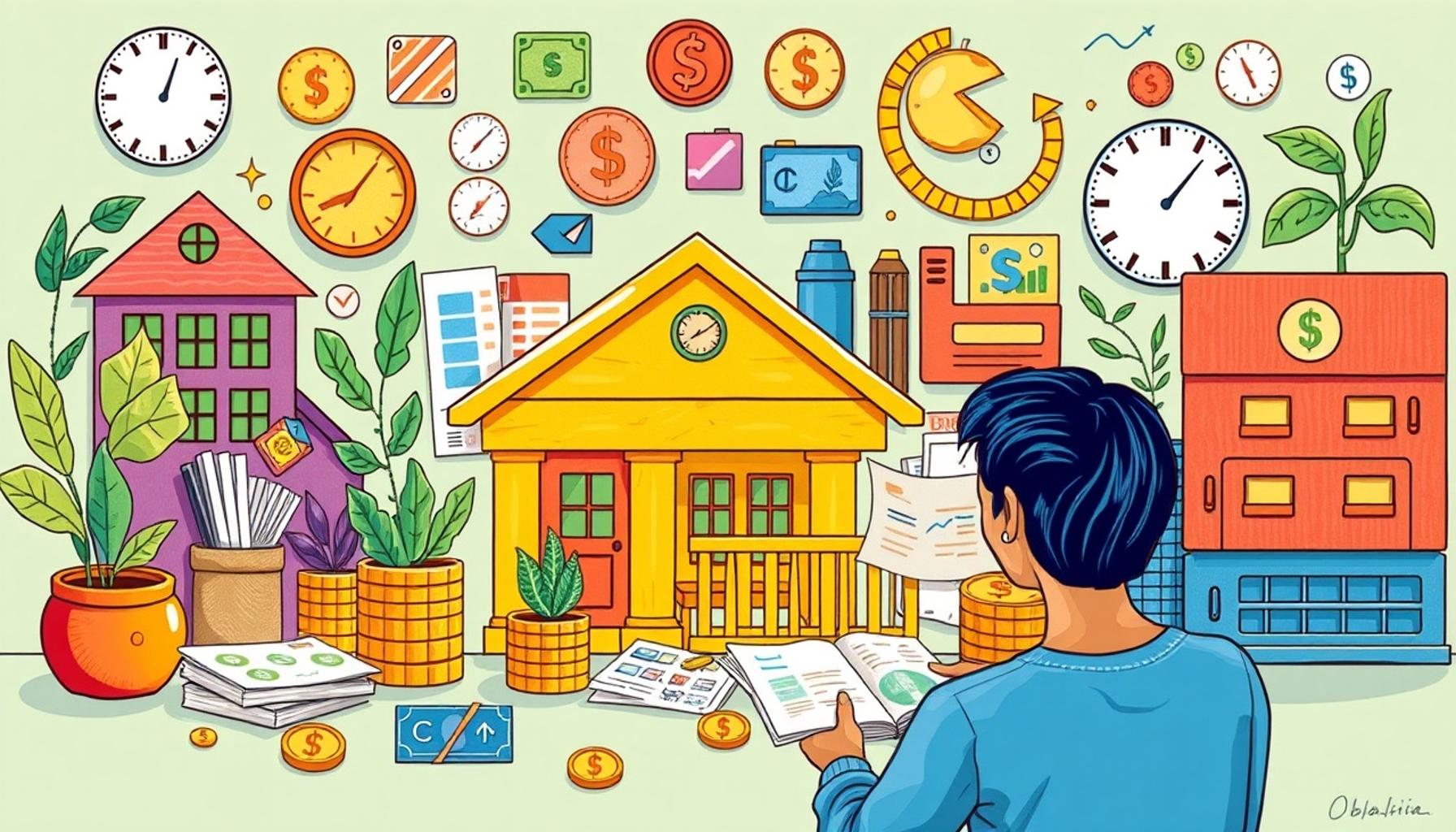
Personal Budget and Emotional Well-Being: The Relationship Between Finances and Mental Health

Understanding the Financial and Emotional Connection
Finances play a crucial role in our everyday lives, influencing not just our spending habits but also our emotional well-being. Managing a personal budget is more than just tracking income and expenses; it’s about achieving a sense of stability and control. A well-crafted budget serves as a financial roadmap, guiding individuals toward their goals while minimizing anxiety regarding their monetary situation.
The relationship between financial management and mental health is multifaceted. Here are several important points that highlight this connection:
- Stress Reduction: A well-planned budget can alleviate worries about unexpected expenses. For instance, if you allocate a portion of your income towards an emergency fund, you build a financial cushion. This preparation can significantly reduce stress when unplanned costs arise, such as car repairs or medical bills, allowing you to handle such situations with confidence.
- Increased Confidence: Knowing where your money goes fosters a sense of empowerment. By tracking your spending, you become more aware of your habits. For example, if you notice that takeaways significantly impact your budget, you may choose to cook at home more often, thus not only saving money but also gaining control over your finances, leading to improved self-esteem.
- Better Decision-Making: Understanding your financial situation helps with clearer choices. When you are aware of your income, fixed expenses, and discretionary spending, you can make informed decisions when considering larger purchases or investments. For example, knowing how much you can allocate for savings versus spending on a holiday can assist you in making choices that align with your long-term financial goals.
In the UK, many individuals face financial pressures that can lead to anxiety and stress. Research indicates that financial worries can significantly affect overall mental health, leading to challenges such as insomnia or decreased productivity. Tackling these issues through effective budgeting can result in significant improvements in mental health, potentially leading to greater life satisfaction.
As we continue through this article, we will explore how creating and maintaining a personal budget can enhance emotional well-being. We will provide practical strategies, such as using budgeting apps that simplify the process and sharing relatable examples like how families can collaboratively set financial goals. Through this, we aim to educate readers on the vital link between finances and mental health, dispelling the notion that budgeting is merely a tedious chore and instead highlighting it as a pathway to emotional empowerment.
DON’T MISS: Click here for more information
Strategies for Effective Budgeting
Creating a personal budget might initially seem daunting, but breaking it down into manageable steps can simplify the process and provide clarity. A well-structured budget not only helps in tracking finances but also has a profound impact on emotional well-being. Here are some practical strategies to consider when building your budget:
- Set Clear Goals: Begin by identifying your financial objectives, whether it’s saving for a holiday, managing debt, or building an emergency fund. Clear goals provide direction and motivation. For example, if you intend to save for a family trip to Cornwall, determining a target amount and timeline will help you allocate funds accordingly, giving you a sense of purpose.
- Choose a Budgeting Method: There are various budgeting methods available, and finding one that suits your style is essential. Popular methods include the envelope system, zero-based budgeting, or using digital budgeting apps. Each approach has its strengths; for instance, the envelope system is tangible and encourages discipline, while apps can offer insights and ease tracking through technology.
- Track Your Spending: Monitoring your expenditures is crucial to understanding your financial patterns. By recording daily transactions, you will see where your money goes, highlighting areas for improvement. This awareness can lead to better choices, such as limiting unnecessary takeaways or impulse buys.
- Review Regularly: Your financial situation and priorities might change over time, so it’s important to review your budget regularly. Setting aside time each month to assess your budget ensures it remains relevant. If you find you’re consistently overspending in a particular category, adjusting your allocations can help you stay on track.
Implementing these strategies can contribute to a clearer financial picture and enhanced emotional well-being. For example, a survey conducted in the UK found that individuals who actively engaged in budgeting reported lower stress levels compared to those who did not. By focusing on your financial health, you can diminish feelings of anxiety associated with uncertainty about money.
Moreover, engaging in budgeting can foster a sense of achievement. Each time you reach a financial milestone, such as paying off a debt or saving enough for a much-anticipated purchase, you strengthen your self-confidence. This process can be particularly empowering, with many individuals reporting increased happiness stemming from their improved financial literacy and decision-making capabilities.
As we delve deeper into this topic, we will explore the emotional impacts of financial stress and how a proactive approach to budgeting can serve as a mental health tool. The subsequent sections will cover the importance of maintaining flexibility in your budget and how adjusting financial goals can further enhance your overall well-being.
DISCOVER MORE: Click here to learn how to apply
The Emotional Impact of Financial Stress
While budgeting can provide numerous benefits for emotional well-being, it is crucial to acknowledge the significant emotional toll that financial stress can take on individuals and families. Many people experience anxiety, frustration, and powerlessness related to their finances. A study conducted by the Money and Mental Health Policy Institute found that people with problem debt were over three times more likely to experience mental health issues compared to those without financial problems. Understanding this relationship can encourage individuals to take steps toward regaining control over their finances, which in turn can improve mental health.
One of the often-overlooked aspects of financial stress is its impact on relationships. Financial strain can lead to disagreements and conflict between partners or family members. For instance, a couple may find themselves arguing over spending habits, leading to a breakdown in communication and trust. By establishing a clear budget together, couples can not only manage their finances better, but also strengthen their emotional connection as they work towards common goals.
Additionally, financial stress can lead to feelings of isolation. Individuals may withdraw from social interactions due to embarrassment about their financial situation or fear of judgment from others. This can create a vicious cycle, where the lack of social support exacerbates feelings of anxiety and depression. Engaging in budgeting can serve as a proactive measure to alleviate some of these feelings by providing a sense of control and empowerment over one’s situation. Knowing that you have a plan in place reduces the uncertainty that often breeds anxiety.
Building Flexibility into Your Budget
While a budget should provide structure, it is equally important to allow for flexibility. Life is unpredictable, and rigid budgets can lead to feelings of frustration and inadequacy when circumstances change. Instead of viewing your budget as a strict set of rules, consider it a living document that can be adjusted as necessary. This adaptability can reduce anxiety and promote a sense of security. For example, if an unexpected expense arises, such as a car repair, rather than feeling overwhelmed, assess your budget to see where you can temporarily shift funds to accommodate this expense.
Moreover, including discretionary spending in your budget is vital for emotional well-being. It’s important to allocate a portion of your funds for activities that bring joy, such as dining out, hobbies, or entertainment. By allowing yourself the freedom to spend on things you enjoy within the confines of your budget, you can prevent feelings of deprivation that often accompany strict budgeting practices. This enjoyment can serve as an emotional boost, reinforcing positive financial behaviours.
Adapting Financial Goals for Mental Health
As your circumstances and emotional needs evolve, so should your financial goals. It’s essential to evaluate not just your monetary aspirations but also how they align with your mental health. If a particular financial goal—like buying a new car or saving for a luxury holiday—starts to become a source of stress, it might be time to reassess its priority.
Shifting your focus to smaller, more manageable goals can also help enhance your sense of achievement without overwhelming you. For example, if you’re aiming to build an emergency fund, setting incremental targets—like saving £50 a month rather than focusing solely on a larger goal of £1,000—can provide you with frequent milestones to celebrate. Each milestone not only improves your financial situation but also boosts your mental health by reinforcing positive behaviour and achieving tangible success.
DIVE DEEPER: Click here to learn more
Conclusion
In conclusion, the intricate relationship between personal budgets and emotional well-being highlights how effective financial management can significantly improve mental health. Understanding the emotional impact of financial stress is crucial; many individuals grapple with anxiety and isolation due to their financial situations. By adopting a well-structured yet flexible budgeting approach, individuals can proactively manage their finances, ultimately alleviating feelings of stress and empowering themselves.
Building a budget allows for clarity and control in one’s financial life, fostering a greater sense of stability. Moreover, incorporating discretionary spending—allowing room for joyful experiences—ensures that budgeting does not become a source of deprivation but rather a tool for enhancing overall happiness. Partnerships and family dynamics can also benefit from collaborative budgeting, as shared goals promote not only financial health but emotional connection.
As emotional needs and circumstances evolve, it is essential to adapt financial goals accordingly. By setting manageable targets and celebrating small victories, individuals can cultivate a positive mindset towards their finances, paving the way for a healthier relationship with money. Understanding that budgeting is not merely about restriction but about creating opportunities for growth and enjoyment transforms one’s perspective on finances.
Ultimately, taking control of your budget is a vital step not just for financial stability, but also for enhancing emotional well-being. With a proactive and thoughtful approach, achieving a healthy balance between your personal finances and mental health is entirely attainable, leading to a more fulfilling and less stressful life.

Linda Carter
Linda Carter is a writer and financial expert specializing in personal finance and financial planning. With extensive experience helping individuals achieve financial stability and make informed decisions, Linda shares her knowledge on the our platform. Her goal is to empower readers with practical advice and strategies for financial success.