Spear Phishing: A New Frontier in Business Cybersecurity Threats
Understanding Spear Phishing
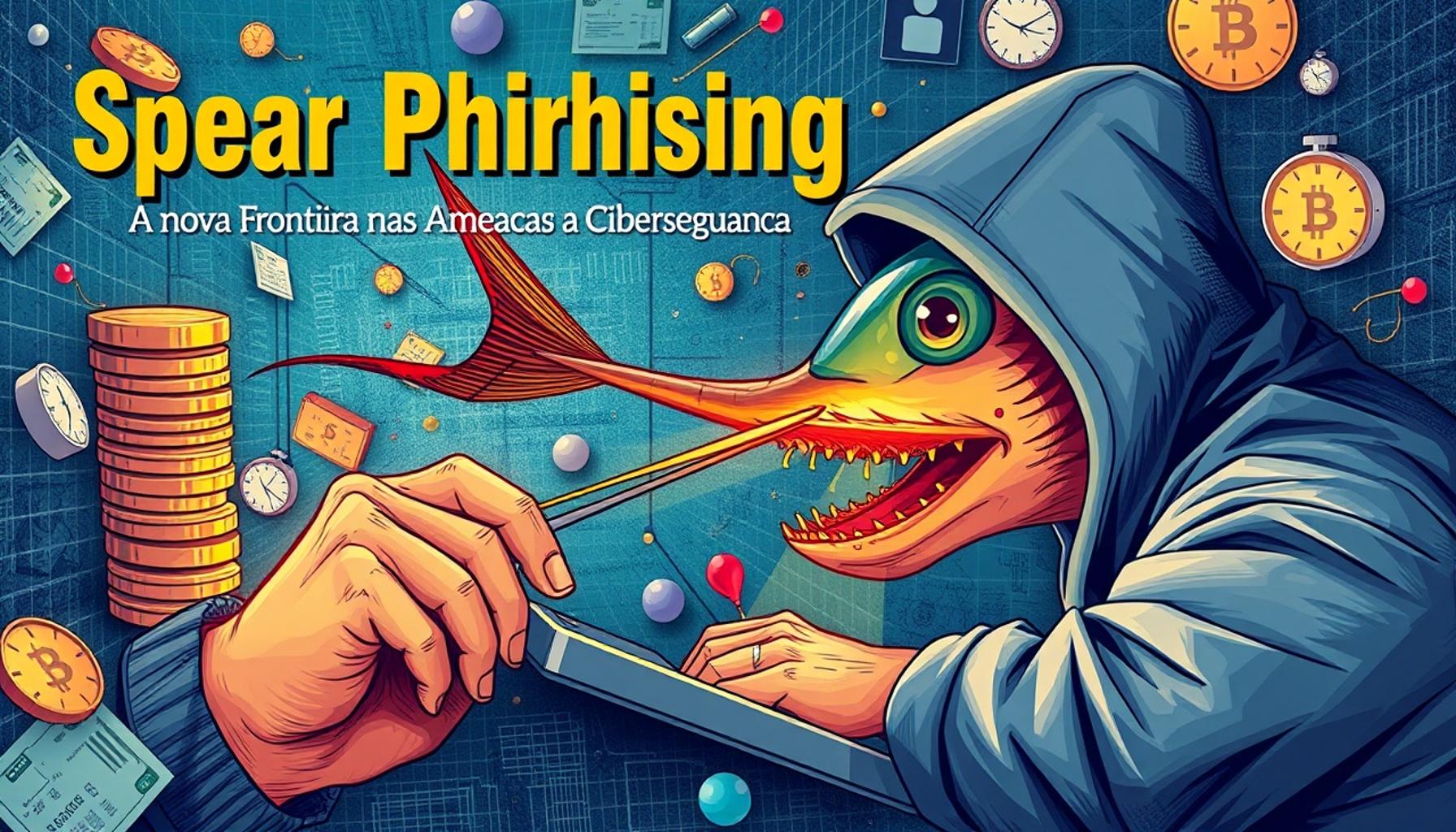
Spear phishing is rapidly becoming one of the most dangerous threats businesses face today. Unlike general phishing scams that target random individuals, spear phishing is highly targeted and personalized. This tactic makes it particularly effective at deceiving employees into revealing sensitive information. By utilizing social engineering techniques, attackers can manipulate emotions and forge believable scenarios that lead to information breaches.
What Makes Spear Phishing Different?
- Customization: Attackers spend significant time researching their targets. They gather information from social media profiles, company websites, and other online sources to craft messages that seem legitimate. For example, an attacker might send an email that appears to come from a company executive, using the executive’s style and references to current projects.
- Trusted Sources: These emails often appear to come from recognizable contacts or trusted companies. An employee might receive a message that looks like it’s from their HR department, requesting verification of their account details. Because it seems authentic, employees might unwittingly comply.
- Specific Goals: The objectives of spear phishing can vary widely—from stealing login credentials to committing financial fraud. A classic example includes an attacker impersonating a vendor to persuade a company to transfer money for a fictitious invoice.
Consider some recent statistics that highlight the severity of this threat: over 90% of data breaches begin with a phishing attack, and spear phishing is a major contributor due to its targeted nature. With the rise of remote work amid the ongoing pandemic, the opportunities for attackers have expanded. Employees working from home often lack direct supervision and may be less vigilant, making them prime targets.
Recognizing the Threat
It’s crucial for businesses to understand how to identify spear phishing attempts. Signs to watch for include:
- Urgency: Many spear phishing messages create a sense of emergency, urging the recipient to act swiftly. A message asking for immediate verification of payroll information with dire consequences for delays is a common tactic.
- Unusual Requests: Be wary of requests for sensitive data that seem out of character, such as asking for Social Security numbers in casual communications. These unusual requests can be red flags indicating a phishing attempt.
- Spelling or Grammar Mistakes: Poorly written emails filled with spelling or grammar errors can often signal an illegitimate email. Although some attackers may mimic professional language, many still slip up, leaving clues to their true intentions.
By recognizing these signs, employees can be better equipped to respond to these threats and protect their organizations. Regular training and updates on cybersecurity practices will fortify their defenses against these increasingly sophisticated attacks.
DISCOVER MORE: Click here to uncover valuable credit card rewards
The Mechanics of Spear Phishing Attacks
To fully grasp the implications of spear phishing, it is essential to understand its underlying mechanics. Spear phishing attacks typically unfold through several stages, each meticulously crafted to increase the chances of success. Recognizing these stages can enable organizations to tighten their defenses.
Stage 1: Research and Preparation
As mentioned, spear phishing begins with extensive research. Attackers often gather information about individuals or organizations through various sources, including social media platforms like LinkedIn and Facebook. During this stage, they may look for details such as job titles, work relationships, and project involvement, crafting a profile of their target. For instance, if an employee recently posted about an upcoming company event, an attacker can exploit this information to create a seemingly innocuous message related to that event.
Stage 2: Crafting the Deceptive Message
After gathering relevant information, the next step involves crafting a convincing email or communication. This can range from simple text messages to more complex emails complete with company logos and other branding elements. Attackers may even manipulate email headers to make their messages appear to originate from a trusted source. Such efforts can create a false sense of security for the employee receiving the communication. For example, an attacker might impersonate the IT department, claiming that users need to reset their passwords immediately due to a system breach.
Stage 3: The Payload
Once the targeted employee receives the crafted email, the attacker aims to prompt a response or action that leads to compromising sensitive data. The payload can take various forms, including:
- Phishing Links: Many spear phishing emails include links that direct recipients to fraudulent websites that mimic legitimate company portals. This can lead to the input of usernames and passwords, which attackers capture.
- Attachments: Some messages may contain malicious attachments disguised as official documents. Opening these files can install malware on the employee’s device, providing the attacker with access to sensitive data.
- Data Requests: Phishing messages often prompt employees to provide sensitive information directly in response, such as account numbers or verification codes.
The culmination of these tactics can result in significant repercussions for businesses, including data breaches, financial losses, and reputational damage. Understanding these mechanics empowers organizations to implement targeted cybersecurity measures, increasing awareness among employees about how to recognize and thwart such attacks.
Mitigating the Risks
In light of these steps, organizations must prioritize educating their workforce. Regular training sessions focusing on the identification of suspicious emails and the protocols to follow when in doubt are critical. Additionally, establishing a culture of cybersecurity transparency allows employees to feel comfortable reporting or questioning unusual communications, thereby strengthening the organization’s defenses against spear phishing attacks.
LEARN MORE: Click here to stay informed
Understanding the Impact of Spear Phishing on Businesses
As spear phishing attacks become increasingly sophisticated, their impact on businesses can be severe. Beyond the immediate financial losses, these attacks can have long-lasting implications that affect various aspects of an organization. Here, we examine the multifaceted repercussions of spear phishing.
Financial Consequences
The most direct impact of a successful spear phishing attack is often financial. The costs can manifest through various channels, including fraudulent transactions, legal fees, and regulatory fines. For instance, if a spear phishing attack leads to unauthorized wire transfers, businesses can lose thousands to millions of dollars before realizing they have been compromised. According to recent reports, the average cost of a data breach is around $4.24 million, which does not factor in potential litigation and compliance costs. Companies may also incur expenses for identity theft protection services for affected employees, further straining budgets.
Reputational Damage
A successful spear phishing attack can severely tarnish a company’s reputation. Trust is a cornerstone for business relationships, and when clients learn that a firm has suffered a data breach due to negligence, they may hesitate to collaborate in the future. This is particularly critical for businesses in industries that handle sensitive information, such as finance or healthcare. The hurt to a brand’s reputation can lead to customer attrition and difficulty in acquiring new clients. Studies have shown that organizations that experience a data breach can see their stocks decline by as much as 7.27% on average, highlighting the potential for loss in consumer confidence.
Legal and Regulatory Ramifications
In the aftermath of a spear phishing incident, businesses may face legal actions from affected parties, including customers and employees. Beyond civil lawsuits, there can also be consequences for failing to comply with stringent data protection laws such as the Health Insurance Portability and Accountability Act (HIPAA) or the General Data Protection Regulation (GDPR). In the U.S., breaches involving personal data can lead to lawsuits from state attorneys general or federal actions, resulting in substantial fines. Businesses must remain vigilant in adhering to privacy regulations to mitigate these risks, and a breach can lead to extensive legal scrutiny and investigations.
Operational Disruption
Another significant consequence of spear phishing attacks is the potential for operational disruption. Businesses may need to divert resources to contain the breach, investigate the attack, and implement corrective measures. This can lead to downtime, which ultimately affects productivity and revenue. For example, when an employee’s work computer is compromised, IT departments may be forced to isolate the device from the network, delaying projects and slowing operational momentum. Additionally, ongoing investigations can take the attention of key personnel away from their core responsibilities, further hindering organizational performance.
Building Resilience Against Spear Phishing
Recognizing the multifaceted impact of spear phishing, organizations must take proactive steps to bolster their defenses. This involves implementing comprehensive cybersecurity strategies. For instance, adopting advanced threat detection systems can help identify suspicious activities in real time. Furthermore, regular vulnerability assessments allow companies to pinpoint weaknesses in their security posture, allowing for timely remediation before an attack occurs. By fostering a robust cybersecurity culture and nurturing a sense of shared responsibility among all employees, organizations can significantly reduce their susceptibility to spear phishing threats.
DON’T MISS OUT: Click here to discover how credit cards can be your safety net during financial emergencies
Final Thoughts on Combating Spear Phishing
As we navigate through an era of increasing digital interconnectedness, spear phishing emerges as a significant threat to businesses of all sizes. Its ability to exploit human vulnerabilities makes it insidious and challenging to combat. The consequences of falling victim to a spear phishing attack extend beyond immediate financial loss; they can jeopardize a business’s reputation, lead to legal repercussions, and disrupt overall operations.
To effectively address these challenges, organizations must prioritize cybersecurity awareness and develop comprehensive strategies that foster resilience. Investing in robust security measures, such as training employees to recognize suspicious communications, is essential. Regular assessments of security protocols ensure that companies can stay ahead of evolving tactics employed by cybercriminals. Additionally, cultivating a culture of cybersecurity where all team members share responsibility can significantly reduce the likelihood of a successful attack.
It is crucial for business leaders to recognize that spear phishing is not merely a technical issue but a pervasive organizational challenge. By taking proactive measures and remaining vigilant, organizations can fortify their defenses against this new frontier in cybersecurity threats. Ultimately, a well-prepared business is one that can thrive in the digital landscape, safeguarding not only its assets but also the trust and confidence of its clients.

Linda Carter
Linda Carter is a writer and expert known for producing clear, engaging, and easy-to-understand content. With solid experience guiding people in achieving their goals, she shares valuable insights and practical guidance. Her mission is to support readers in making informed choices and achieving significant progress.