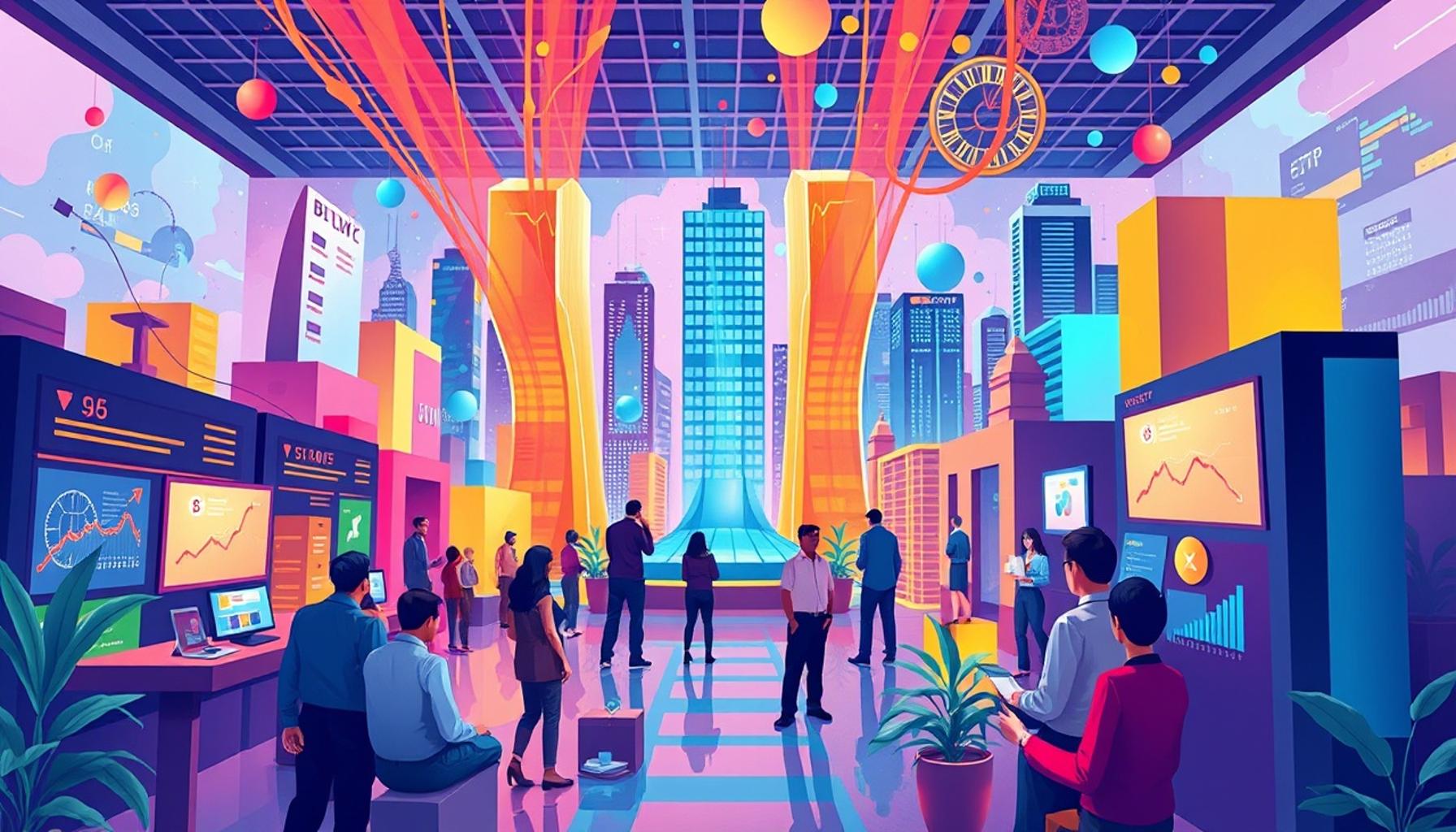
Innovations in Urban Mobility: How Cities are Adapting to New Technologies
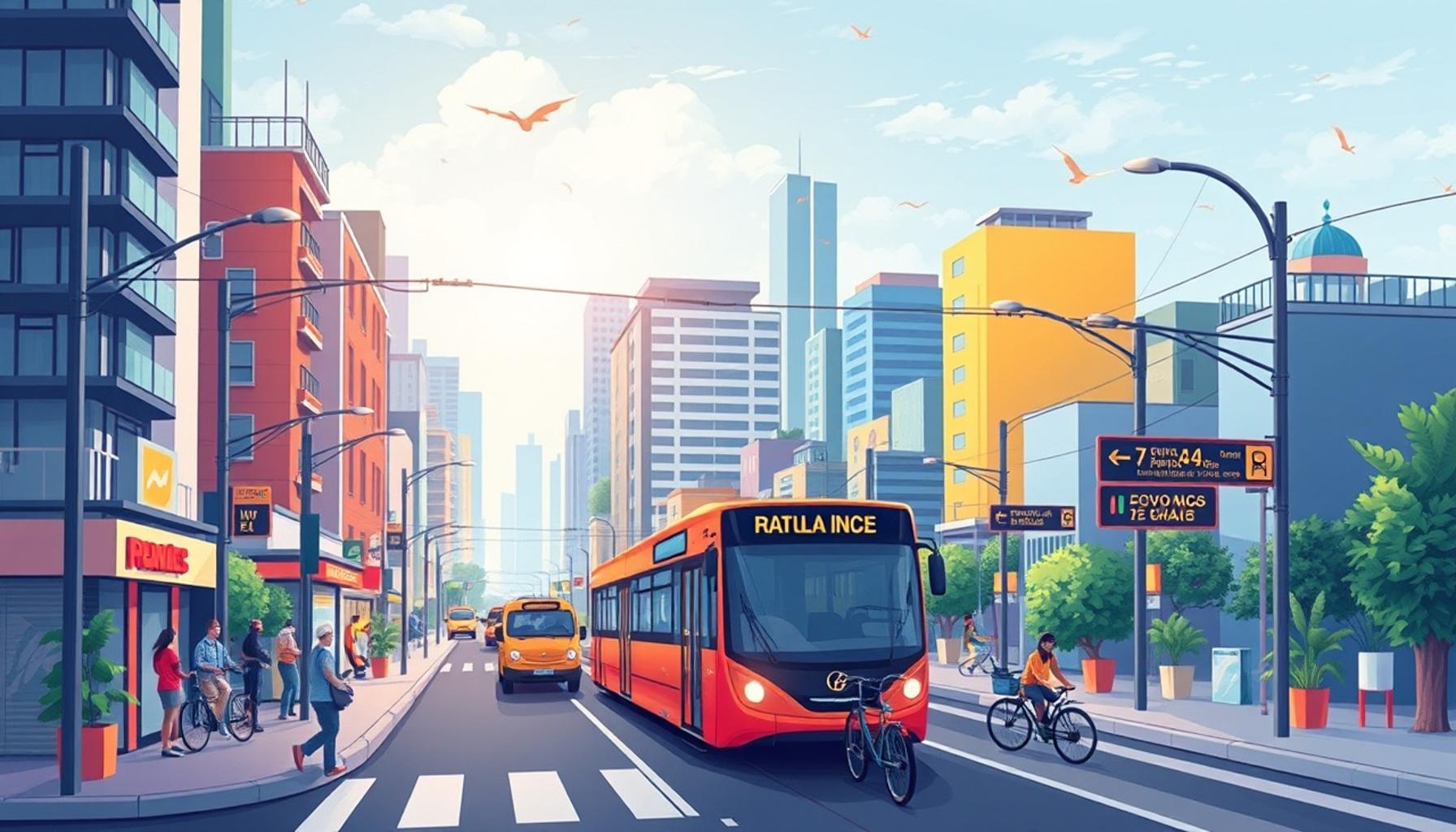
The Evolution of Urban Transportation
In today’s fast-paced world, the way we travel within urban spaces is changing dramatically. Cities are grappling with the dual challenges of increasing populations and environmental pressures, prompting a shift towards more sustainable and efficient modes of transportation. The adoption of innovative technologies has become crucial in reimagining our urban mobility landscape.
One of the most notable transformations is the rise of Electric Vehicles (EVs). Many cities have recognized the benefits of adopting EVs as a way to cut down on greenhouse gas emissions. For example, Los Angeles has set ambitious goals to transition its municipal fleet to 100% electric by 2035, supported by extensive charging infrastructure. This ensures that residents have the necessary facilities to charge their vehicles conveniently, thereby increasing EV adoption.
Shared Mobility Services have also gained significant traction. Programs like Uber and Lyft offer flexible and convenient transport options, allowing residents to access rides without the burdens of ownership. Additionally, bike-sharing programs, such as Capital Bikeshare in Washington, D.C., encourage cycling as a green alternative. These services are particularly beneficial in densely populated areas where parking is scarce and traffic congestion is a daily challenge. By promoting shared mobility, cities can reduce the overall number of vehicles on the road, leading to enhanced air quality and a less stressful commuting experience.
Moreover, many urban centers are embarking on extensive public transit upgrades. Cities like New York and San Francisco have integrated real-time tracking systems, allowing commuters to plan their journeys with greater accuracy. App-based ticketing solutions streamline payment processes, making it easier for users to access transport without the hassle of cash transactions or waiting in line. This modernization not only improves satisfaction among commuters but also positions public transport as a viable alternative to driving personal vehicles.
As cities embrace smart infrastructure, they are utilizing IoT (Internet of Things) technologies to optimize traffic flow and enhance safety measures. For instance, smart traffic lights can adapt to real-time conditions, adjusting their timings based on current traffic patterns. This capability not only reduces delays for drivers but also enhances pedestrian safety, as crosswalks can receive priority when foot traffic increases.
The combination of these trends illustrates a concerted effort among urban planners and policymakers to enhance mobility in a way that is inclusive and equitable. These advancements are aimed at ensuring that all residents, regardless of socioeconomic status, can access efficient transportation options. By focusing on inclusivity, cities are making strides towards reducing disparities in mobility access.
The implications of these innovative approaches are vast. They not only promise to improve daily commutes but also contribute significantly to reducing environmental impacts. As urban areas continue to expand, understanding the role of these advancements in shaping the future of urban living is essential. Adapting to new technologies holds the potential for a more cohesive, sustainable, and enjoyable urban experience for everyone.
DISCOVER MORE: Click here to learn about AI’s role in digital transformation
Smart Solutions for Urban Challenges
As urban environments evolve, the push for improved mobility has driven cities to adopt a range of smart solutions that address the challenges of transportation. One such innovation is the integration of mobility-as-a-service (MaaS), a concept that combines various transportation services into a single accessible platform. This approach allows users to plan, book, and pay for different modes of transport—from public transit to ride-sharing—through a single app, making it seamless to switch between options based on convenience and cost.
For instance, cities like Seattle and Minneapolis have begun implementing MaaS platforms that allow residents to see real-time availability and pricing, enabling them to choose the most efficient route whether they’re taking the bus, renting a bike, or hailing a ride-sharing service. This not only simplifies the commuting process but also encourages users to explore public transit and other modes of transportation that they may not have considered before.
The Role of Data in Urban Mobility
Data is at the core of these advancements in urban mobility. Big data analytics allows cities to monitor traffic patterns, usage trends, and commuter behavior, which can then inform transport planning. By analyzing this data, city officials can make informed decisions about where to improve infrastructure, such as adding bike lanes, adjusting public transit routes, or enhancing pedestrian amenities. For example, Chicago has utilized data analytics to better understand congestion hotspots, resulting in targeted solutions that improve traffic flow and decrease travel time across the city.
Additionally, connected vehicles equipped with sensors and communication systems are becoming increasingly common. These vehicles can communicate with traffic management systems, other vehicles, and even pedestrians. This technology enhances safety by reducing the likelihood of accidents and improving response times during emergencies. As more vehicles become connected, cities can leverage this data to streamline traffic management and enhance public safety measures.
Investing in Alternatives
Aside from embracing smart technologies and data utilization, cities are also investing in alternative transportation modes to diversify mobility options. Here are some examples of these alternatives:
- Electric scooters: Many cities are introducing e-scooter services, providing a convenient and eco-friendly way for short-distance travel.
- Carpooling initiatives: Programs that support carpooling help reduce the number of vehicles on the road, easing congestion and lowering emissions.
- Pedestrian-friendly initiatives: Urban planners are focusing on creating walkable cities by widening sidewalks, adding crosswalks, and improving pedestrian safety measures.
These initiatives showcase a comprehensive approach to urban transportation, emphasizing the need for flexibility, convenience, and sustainability. By combining traditional methods with innovative technologies, cities are setting the stage for a more integrated and responsive transportation ecosystem. This evolution is not merely about keeping pace with technological advancements; it is about improving the quality of life for all city residents by navigating the challenges of urban mobility more effectively.
DIVE DEEPER: Click here to analyze your spending
Embracing Electrification and Sustainability
As cities strive to enhance mobility, the electrification of transportation has emerged as a central theme in innovative urban planning. This transition toward electric vehicles (EVs) represents a significant step toward reducing carbon emissions and promoting sustainable practices. Municipalities across the United States, such as Los Angeles and New York City, are investing heavily in EV infrastructure by increasing the number of charging stations and offering incentives to both consumers and businesses for switching to electric options.
For example, in San Francisco, the city has partnered with private companies to install charging stations at various locations, making it easier for residents to switch from gasoline-powered vehicles to electric ones. By prioritizing the creation of a comprehensive EV infrastructure, cities ensure that residents have the necessary support to make this transition, which is essential for achieving climate goals while improving air quality and public health.
Shared Mobility and Micro-Mobility
The rise of shared mobility solutions has transformed the way individuals navigate urban environments. Car-sharing and bike-sharing programs have become integral to many cities’ transportation strategies. Programs like Zipcar and Citi Bike in New York cater to the need for flexibility without the hassle of traditional vehicle ownership. These resources allow users to access a vehicle or a bike as needed, reducing the total number of cars on the road and lowering congestion.
Furthermore, cities are increasingly embracing micro-mobility options such as electric scooters and dockless bikes. With the introduction of companies like Lime and Bird, urban areas are adopting regulations that facilitate the use of these modes while addressing safety and operational concerns. Cities are now experimenting with designated lanes for scooters and bikes, showcasing an understanding that integrating these options into existing transportation networks can promote active commuting and efficiency.
The Rise of Autonomous Vehicles
While still in the developmental stage, autonomous vehicles (AVs) hold the potential to revolutionize urban mobility. Several cities, including Phoenix and Austin, are piloting AV programs that allow residents to experience self-driving technology in real-world scenarios. By incorporating AVs into public transport systems or dedicated ride-sharing services, cities can optimize traffic flow and reduce the necessity for personal vehicular ownership.
Additionally, the implementation of AVs could lead to significant changes in urban design. By decreasing the need for extensive parking spaces, planners might envision a future where areas previously dedicated to parking can be transformed into parks, businesses, or additional housing. This shift not only enhances the urban landscape but also promotes a more pedestrian-friendly environment.
Regulatory Frameworks and Public Engagement
To foster innovative urban mobility, cities recognize the importance of developing relevant regulatory frameworks. These guidelines aim to ensure safe integration of new technologies into existing infrastructures. Public engagement is also crucial, as residents play a pivotal role in shaping transportation policies that meet their needs. For instance, community forums and surveys have become valuable tools for gathering feedback to enhance future mobility solutions and create more inclusive transportation systems.
Furthermore, comprehensive planning and investment in public transit systems is imperative. Cities are focusing not only on incorporating cutting-edge technologies but also on maintaining and upgrading traditional transit systems. Effective collaboration between governments, private sectors, and communities ensures that the urban mobility landscape evolves to meet the diverse needs of modern city dwellers.
DISCOVER MORE: Click here to learn about the impact of AI in politics
Conclusion
Innovations in urban mobility are reshaping the way we navigate our cities, making transportation more efficient, sustainable, and accessible. As we have explored, the move towards electric vehicles and the rise of shared mobility systems reflect a broader commitment to reducing environmental impact while meeting the demands of urban populations. The integration of micro-mobility options like scooters and bike-sharing programs not only alleviates traffic congestion but also promotes healthier, active lifestyles.
The advent of autonomous vehicles promises to further enhance this transformation, potentially reducing the necessity for personal car ownership and allowing cities to rethink their infrastructures entirely. By repurposing areas once dominated by parking, cities can create more green spaces and pedestrian-friendly zones, thereby enriching the urban landscape.
However, the successful implementation of these technologies requires robust regulatory frameworks and active public engagement. Cities must involve their residents in the planning and decision-making processes to ensure that new mobility solutions meet their unique needs. Collaboration among government entities, private companies, and communities is essential for fostering an inclusive transportation system that adapts to the diverse requirements of all citizens.
As we stand on the brink of a mobility revolution, it is clear that urban centers are not just responding to technological advancements; they are actively embracing them to create flourishing, sustainable environments. By prioritizing innovation and connectivity, cities of the future can pave the way for improved quality of life for all residents.

Linda Carter
Linda Carter is a writer and expert known for producing clear, engaging, and easy-to-understand content. With solid experience guiding people in achieving their goals, she shares valuable insights and practical guidance. Her mission is to support readers in making informed choices and achieving significant progress.