The Influence of Social Media on Pop Culture and the Entertainment Industry
Impact of Social Media on Pop Culture and Entertainment
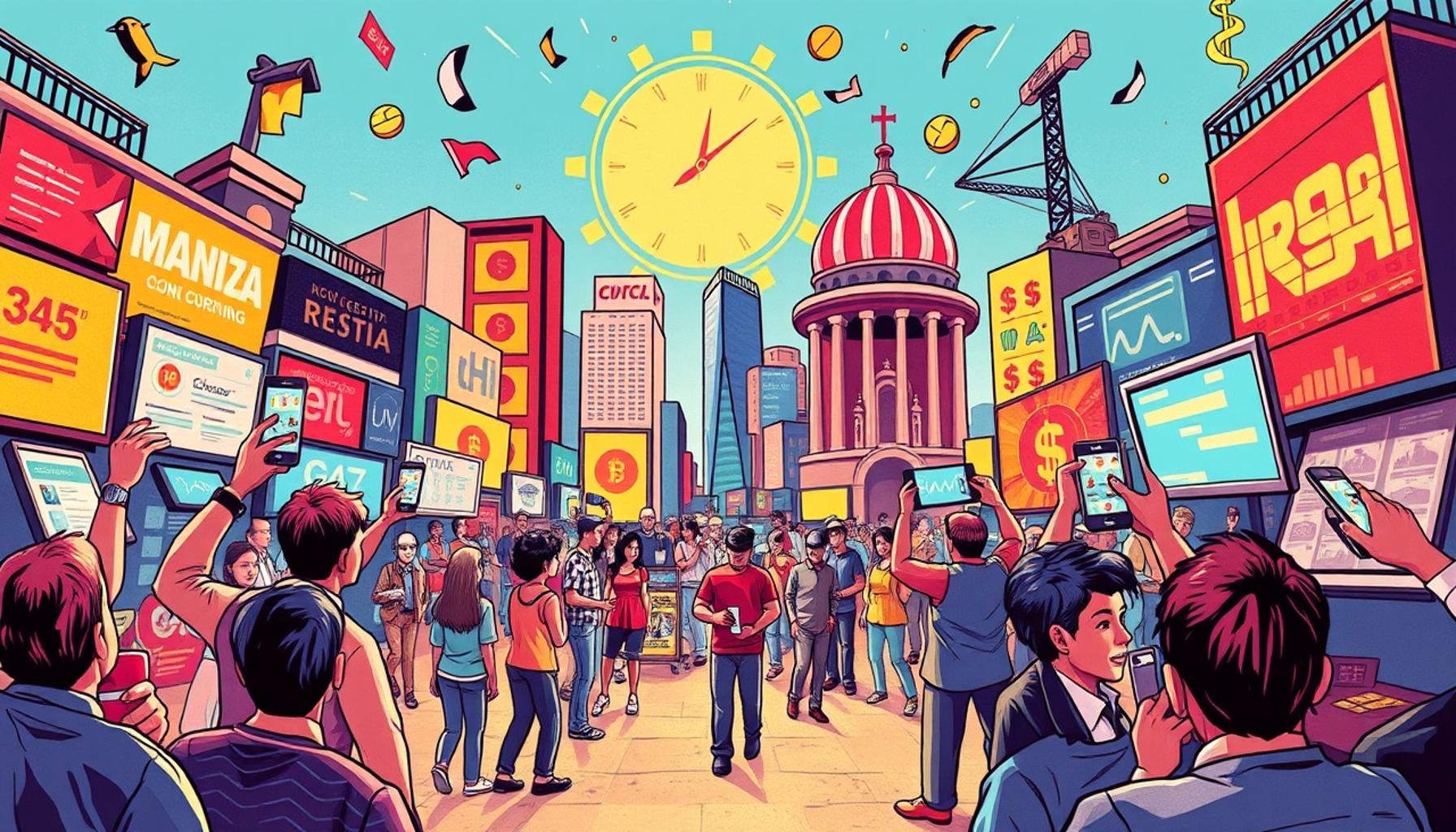
Social media has radically reshaped our interaction with pop culture and the entertainment industry. As platforms such as Facebook, Instagram, TikTok, and Twitter have gained immense popularity, they have transcended their original purpose of mere communication. These platforms serve as dynamic arenas for creativity, engagement, and information sharing, dramatically influencing how content is created and consumed.
Instant Feedback is one of the most profound impacts of social media on entertainment. Artists and creators can now receive real-time reactions from their audiences, which can shape their artistic choices on the fly. For instance, when a musician shares a snippet of their latest track on Instagram and receives immediate commentary—whether positive or negative—they can adjust the release based on audience enthusiasm. This kind of feedback used to take months or even years to gather, but social media accelerates this process, fostering a unique dialogue between creators and fans.
Additionally, the phenomenon of viral trends has changed how new content is accepted in mainstream culture. A simple dance challenge on TikTok can propel a song to viral status, as seen with “Savage Love” by Jawsh 685 and Jason Derulo. Participating in or creating a viral trend can significantly boost an artist’s visibility and revenue in a matter of days. Such phenomena demonstrate that creativity no longer requires traditional marketing strategies; instead, relatable and engaging content can achieve massive success organically.
The accessibility of social media also plays a crucial role in this ecosystem. Independent creators, who may have once struggled to get noticed by traditional media or record labels, now have the ability to showcase their talents directly to a global audience. Platforms like YouTube and TikTok have launched countless careers, enabling creators to bypass conventional gatekeepers entirely. For example, the rise of TikTok influencers like Charli D’Amelio illustrates how individuals can find fame and an audience without formal industry connections.
This interconnectedness enriches cultural conversations, as both creators and audiences have a stake in the content. Social media not only plays a significant role in promoting new music, shows, and films but also shifts public perceptions of celebrities and brands. It humanizes stars by revealing their day-to-day lives and struggles, transforming them from untouchable icons into relatable figures.
Moreover, the rise of influencers—individuals who gain substantial followings by sharing personal, candid, and often humorous content—highlights this blurring of lines between celebrities and everyday users. Platforms have democratized fame, allowing anyone with compelling content to inspire and capture the attention of a wide audience.
Understanding these dynamics is crucial for anyone interested in the ongoing evolution of the entertainment industry. As we delve deeper into these shifts, it becomes clear that social media continues to reshape not only how we experience entertainment but also what it means to be a creator in today’s world.
DISCOVER MORE: Click here for details on applying
Transforming Content Creation and Distribution
The landscape of content creation has transformed dramatically due to social media, providing both opportunities and challenges for artists and entertainment professionals. Traditionally, the pathways to creating and distributing content were largely dictated by established industry norms, requiring significant financial backing and connections. However, social media has redefined these pathways and opened the door for anyone with a smartphone and creativity to make their mark.
One major change is the shift towards user-generated content. Platforms like YouTube and TikTok allow users to create and share original material and also remix existing content, leading to a rich variety of creative expressions. This environment promotes creativity and collaboration on a level previously unseen. For example, many songs have gained popularity because of fan-generated content such as dance challenges or parodies, thereby creating a symbiotic relationship between the original artist and their audience. This new form of audience engagement not only allows for richer interaction but also democratizes the process of cultural consumption.
Moreover, the concept of content curation has evolved significantly. Social media algorithms actively tailor user experiences based on preferences and behavior, allowing content to become more targeted and personalized. This shift means that content creators can find audiences that resonate with their work more efficiently than ever before. Influencers, who often specialize in specific niches, have emerged from this landscape, showcasing products and media tailored to their followers’ interests. Artists can leverage this by collaborating with influencers to drive awareness and engagement for new projects.
Another noteworthy transformation is the rise of live streaming as a means of connecting with fans. Platforms such as Instagram Live, Facebook Live, and Twitch have popularized real-time interactions between creators and audiences. This format allows artists to perform, answer questions, and discuss their work, fostering a sense of community and immediacy that is hard to replicate through traditional media. For example, many musicians have turned to live streaming to hold virtual concerts, especially during times when traditional events were not feasible. This method of engaging directly with fans also creates a sense of exclusivity and connection that can enhance loyalty to an artist’s brand.
As we examine the implications of these changes, it’s essential to consider the various benefits and challenges they bring to creators and the entertainment industry as a whole. Here are a few key points to consider:
- Engagement: Direct connections with followers foster deeper relationships and loyalty.
- Accessibility: Independent creators can reach wider audiences without needing traditional industry support.
- Pressure to Adapt: The fast-paced nature of social media demands that creators continuously produce fresh content to maintain visibility.
- Oversaturation: With so much content available, standing out in the crowded marketplace can be challenging.
Understanding these dynamics is key to navigating the modern entertainment landscape, which is ever-evolving alongside technology and social media trends. The interplay between social media and pop culture will continue to shape our experiences, and those who can adapt will thrive in this new environment.
DISCOVER MORE: Click here to unlock the secrets of an abundance mindset
The Impact of Influencer Culture
As social media continues to evolve, one of its most significant impacts on pop culture and the entertainment industry is the rise of influencer culture. Influencers, individuals who have amassed large followings on platforms like Instagram, TikTok, and Twitter, have become key players in shaping trends and driving consumer behavior. Unlike traditional celebrities, influencers often cultivate a more personal connection with their audiences, which can make their endorsements feel more authentic and relatable.
For instance, beauty influencers on platforms like YouTube and Instagram have transformed the cosmetic industry. Through tutorials, reviews, and collaborations with makeup brands, these influencers can drive substantial sales. A compelling example is the rise of Kylie Jenner, who used her social media platform to build Kylie Cosmetics into a multi-million dollar brand. Her followers not only trust her opinions but also aspire to emulate her style—an effect that highlights how influencers create and amplify trends within pop culture.
Additionally, the power of influencers extends beyond mere marketing. They often play a crucial role in shaping conversations around social issues, leveraging their platforms to raise awareness and mobilize support. For example, many influencers have used their voices to advocate for movements such as Black Lives Matter and climate change awareness. This utilization of social media for activism has redefined the role of influencers, positioning them not just as entertainers or marketers, but as significant voices in contemporary culture.
The Speed of Trend Cycles
Social media has also accelerated the trend cycle in the entertainment industry. The rapid dissemination of ideas, memes, and challenges means that trends can emerge and fade away almost overnight. The viral dance challenges on TikTok, for instance, can propel a song to the top of the charts within days, as millions of users share their interpretations and adaptations. This shift poses both opportunities and challenges for artists and entertainment companies eager to capitalize on fleeting trends.
Take, for example, the success of “Old Town Road” by Lil Nas X. The song’s rise was fueled significantly by TikTok, where users created and shared videos set to its catchy tune. This viral moment not only propelled the song onto the Billboard charts but also changed the way artists approach music promotion, necessitating a focus on social media engagement to generate buzz and visibility. As a result, artists are increasingly incorporating social media strategies into their marketing plans, recognizing that a strong online presence can be the difference between obscurity and widespread acclaim.
Challenges of the Digital Space
While the influence of social media has undeniably transformed pop culture, it is not without its challenges. The pressure for constant content creation can overwhelm creators, as they navigate the expectations of their followers while managing their artistic integrity. Many artists find themselves caught between adhering to trends and producing work that genuinely reflects their vision, leading to potential burnout and creative fatigue.
Furthermore, the accessibility of social media means that the competition is fiercer than ever. With countless creators vying for attention, standing out requires not just talent but also a keen understanding of how to leverage social media algorithms effectively. This dynamic can lead to oversaturation, where quality may suffer as creators prioritize quantity in their content production.
Understanding the intricacies of this new ecosystem is vital for anyone trying to thrive within the realms of pop culture and entertainment. As social media continues to shape our society, embracing both the possibilities and challenges it presents can empower artists and influencers alike to forge meaningful connections with their audiences. Whether as advocates for cultural change or as trendsetters in entertainment, the role of social media will only continue to expand and evolve.
DISCOVER MORE: Click here to learn how to categorize expenses effectively
Conclusion
The profound influence of social media on pop culture and the entertainment industry is undeniable, reshaping how artists interact with their audiences and how trends are created and disseminated. From the emergence of influencer culture to the rapid pace of trend cycles, social media has revolutionized the way entertainment is produced, marketed, and consumed. Influencers have become central figures in this landscape, forging personal connections with their followers and leveraging their platforms to advocate for social causes, indicating a shift towards a more engaged and aware cultural narrative.
However, this transformation is not without its challenges. The demand for constant content generation can lead to creative fatigue among artists, while the saturation of the digital space emphasizes the need for strong strategic engagement to stand out. As we navigate this fast-paced and ever-changing environment, it is essential for creators to balance the pressures of social media with their artistic integrity, ensuring that their work remains authentic and resonant.
Ultimately, as social media continues to evolve, its impact on pop culture and the entertainment industry will expand further. By embracing both the opportunities it presents and the challenges it poses, artists, influencers, and consumers can work towards a more vibrant cultural landscape. Insightful engagement with social media can pave the way for innovative artistic expressions and meaningful connections, fundamentally enhancing our shared experience of entertainment and culture in contemporary society.

Linda Carter
Linda Carter is a writer and expert known for producing clear, engaging, and easy-to-understand content. With solid experience guiding people in achieving their goals, she shares valuable insights and practical guidance. Her mission is to support readers in making informed choices and achieving significant progress.